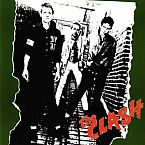
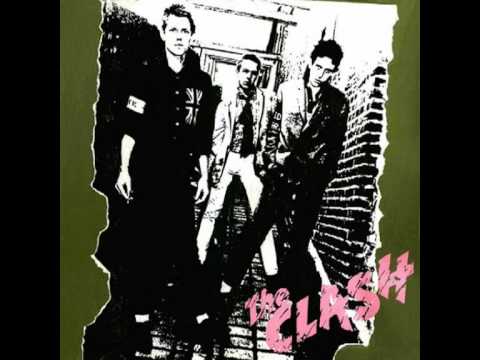
London's Burning

Album: The Clash (1977)
Play Video

Songfacts®:

  • "London's Burning" (named after the popular nursery rhyme about the Great Fire of London in 1666) is mainly about the punk scene's main choice of drug at the time: amphetamine sulphate, AKA speed ("I can't think of a better way to spend the night, than speeding around underneath the yellow lights").

    "I decided quite quickly that the up wasn't worth the down," noted singer Joe Strummer.

    It is also one of The Clash's most overt songs about urban alienation, and while they and other first-generation Punk bands became stereotyped for writing songs about tower blocks and inner-city wastelands, this is actually the only Clash song on their first album to reference tower blocks directly ("The wind howls through the empty blocks looking for a home, I run through the empty stone 'cos I'm all alone").
  • Fellow punk band The Ruts would later go on to have a minor hit with the 1979 single "Babylon's Burning," and were quick to acknowledge the influence "London's Burning" had on that song.
  • First recorded at CBS Studios London for the sessions for their debut album, Mick Jones' improvised guitar solo near the end of the song was fiercely at odds with punk rock's minimalist attitude (which often opposed guitar solos at all, let alone complex ones). An alternative version, taken from the 'live' session in Dunstable for the "White Riot" promo film in April 1977 (live in that they were playing in a studio to a small assembled audience of journalists) was released as the B-side to the controversial "Remote Control" single in May 1977.
  • This song became a hugely popular live favorite, and remained in their set pretty much from its first ever performance at Screen on the Green in April 1976 (their third ever show). A common trend would involve Strummer changing the lyrics to match the town where they were performing; for example, the first time this occurred at a show in Birmingham in late 1976, the song became "Birmingham's Burning." This improvisation reached a peak at a show in Paris in 1977, where the song became "Paris Is Singing" and almost the entire original lyrics were disregarded in favor of new stream-of-consciousness ones, including a popular reference to local Punk band The Stinky Toys.

    A hugely energetic version recorded at the Rock Against Racism show in April 1977 would later feature (with some studio overdubs) in the Rude Boy movie and on the From Here to Eternity live compilation album.
  • Several notable covers exist, including one by the '90s alt-rock band Silverchair.

Comments: 1

  • Zabadak from London, EnglandThe Ruts' song was originally to be called "London's Burning" but they changed it when they heard this one
see more comments

Editor's Picks

Does Jimmy Page Worship The Devil? A Look at Satanism in Rock

Does Jimmy Page Worship The Devil? A Look at Satanism in RockSong Writing

We ring the Hell's Bells to see what songs and rockers are sincere in their Satanism, and how much of it is an act.

Bryan Adams

Bryan AdamsSongwriter Interviews

What's the deal with "Summer of '69"? Bryan explains what the song is really about, and shares more of his songwriting insights.

Rush: Album by Album - A Conversation With Martin Popoff

Rush: Album by Album - A Conversation With Martin PopoffSong Writing

A talk with Martin Popoff about his latest book on Rush and how he assessed the thousands of albums he reviewed.

Spooner Oldham

Spooner OldhamSongwriter Interviews

His keyboard work helped define the Muscle Shoals sound and make him an integral part of many Neil Young recordings. Spooner is also an accomplished songwriter, whose hits include "I'm Your Puppet" and "Cry Like A Baby."

Gary Brooker of Procol Harum

Gary Brooker of Procol HarumSongwriter Interviews

The lead singer and pianist for Procol Harum, Gary talks about finding the musical ideas to match the words.

Who's Johnny, And Why Does He Show Up In So Many Songs

Who's Johnny, And Why Does He Show Up In So Many SongsSong Writing

For songwriters, Johnny represents the American man. He has been angry, cool, magic, a rebel and, of course, marching home.