Remote Control

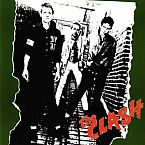
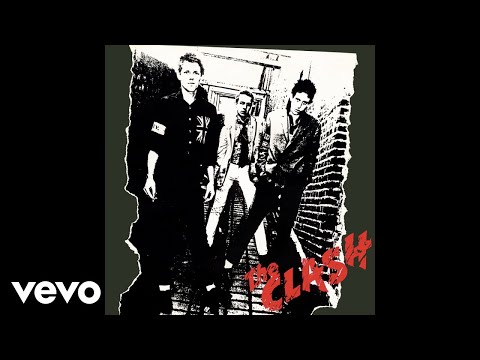
Album: The Clash (1977)
Play Video

Songfacts®:

  • Written after the disastrous Anarchy Tour (where in the aftermath of the Sex Pistols' "The Filth and the Fury" scandal, most of the gigs on the tour were canceled at the last minute), "Remote Control" was a rant against oppression and conformity (standard Punk song topics) and was treated with some excitement when it first arrived in The Clash LP sessions due to it's time-signature changes and more ambitious musical ideas, including an intro/outro riff taken from a traditional football terrace chant: "You're Gonna Get Your F--kin' Head Kicked In." Original drummer Terry Chimes remembered, "Joe said 'Mick's written a mini-opera!'"
  • The song is a stinging attack on people in senior positions of power, a theme that would be revisited many times in The Clash's canon, most notably with "Clampdown." The main inspiration was the withdrawal of support and cancellation of gigs on the Anarchy tour; the lyric "They had a meeting in Mayfair" refers to a specific meeting of EMI label shareholders in December 1976 where all financial support for the tour was pulled.
  • This was one of the first songs to mention the Punk scene by name: "They think you're useless, an' so you are - puuuuuuunnnnnk!"

    The song contains heavy science-fiction references, including nods to BBC TV show Doctor Who ("Repression, gonna be a Dalek!").
  • Although The Clash initially were very proud of "Remote Control," they swiftly disowned the song when it was released without their permission as a single in May 1977. The dispute appears to be that it wasn't that The Clash didn't want another single off the album to follow "White Riot" - it was that they didn't want "Remote Control" to be the next single.

    In an interview just a few weeks before with Melody Maker magazine, the band confirmed (so they thought) that the next single would be "Janie Jones." "Remote Control" is one of the softer, less aggressive songs on The Clash album, which explains the record company's decision to release it without the band's consent. Rumor has it that the band actually went round to record shops in London and pulled the record from the shelves, such was their anger at it being released.

    What was perennially a live favorite with the band became an also-ran after 1977, only being played once more in July 1979 (a demo version also appears on the Vanilla Tapes package with the 25th anniversary of London Calling album). It has also been completely ignored on compilations, and is the only first-album track not to appear on the Clash on Broadway compilation.

Comments

Be the first to comment...

Editor's Picks

Does Jimmy Page Worship The Devil? A Look at Satanism in Rock

Does Jimmy Page Worship The Devil? A Look at Satanism in RockSong Writing

We ring the Hell's Bells to see what songs and rockers are sincere in their Satanism, and how much of it is an act.

Bryan Adams

Bryan AdamsSongwriter Interviews

What's the deal with "Summer of '69"? Bryan explains what the song is really about, and shares more of his songwriting insights.

Rush: Album by Album - A Conversation With Martin Popoff

Rush: Album by Album - A Conversation With Martin PopoffSong Writing

A talk with Martin Popoff about his latest book on Rush and how he assessed the thousands of albums he reviewed.

Spooner Oldham

Spooner OldhamSongwriter Interviews

His keyboard work helped define the Muscle Shoals sound and make him an integral part of many Neil Young recordings. Spooner is also an accomplished songwriter, whose hits include "I'm Your Puppet" and "Cry Like A Baby."

Gary Brooker of Procol Harum

Gary Brooker of Procol HarumSongwriter Interviews

The lead singer and pianist for Procol Harum, Gary talks about finding the musical ideas to match the words.

Who's Johnny, And Why Does He Show Up In So Many Songs

Who's Johnny, And Why Does He Show Up In So Many SongsSong Writing

For songwriters, Johnny represents the American man. He has been angry, cool, magic, a rebel and, of course, marching home.