
Safe European Home

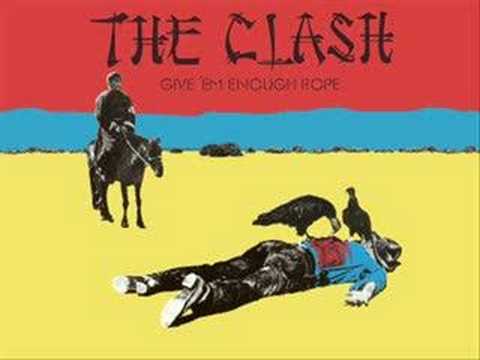
Album: Give 'Em Enough Rope (1978)
Play Video

Songfacts®:

  • The meaning behind this song is made clear by a story The Clash have told about a writing trip to Jamaica gone wrong. Singer Joe Strummer and guitarist Mick Jones were sent to Jamaica for two weeks in December 1977 to write songs for their upcoming second album, which would become Give 'Em Enough Rope. The experience wasn't as positive as they'd have liked: "We must've looked like a strange pair to the locals... I'm surprised we weren't filleted and served on a plate of chips" noted Jones. "We went down to the docks and I think we only survived because they mistook us for sailors."

    This feeling of alienation and struggling to stay alive in a very hostile environment far from home is evident in the lyrics, most obviously in the chorus ("I went to the place where every white face is an invitation to robbery").

    The song also includes a reference to the Sheraton hotel in Kingston and the pair's regular trips to the cinema to watch the movie The Harder They Come ("Whoa, the harder they come, n' the home of ol' bluebeat").

    Add in to this mix bassist Paul Simonon, who as the guy in the band most into reggae music, was furious that he wasn't invited out to Jamaica with the others. Even in the Westway to the World documentary, made over 20 years after the event, he still seems angry, stating: "yeah, that pissed me off."
  • It was during the sessions to record "Safe European Home" that drummer Topper Headon gained the nickname "The Human Drum Machine."

    "(Producer) Sandy Pearlman called me The Human Drum Machine because I didn't make any mistakes on the album. It was a buzz to get a producer who got such a great drum sound" said Headon.
  • Singer Joe Strummer's improvised scat lines at the end of this track would later provide the title to a song on the follow-up album London Calling - the song being "Rudie Can't Fail".
  • An explosively punchy old-fashioned Punk Rock song, "Safe European Home" was always a live favorite for the band, even when they clearly weren't just sitting at home in Europe hating the world later in their careers.

    In 1978 it was a punchy opening song, and then with the writing of "London Calling" it was shifted down the setlist but remained an ever-present. Strummer would also often play the song with his solo band the Mescaleros.

Comments: 3

  • Paul GitJust listened to it again on a whim.. that opening tap from Topper and WHAM.... great song.
  • Adrian from BarkingI've always read it as more of an ironic comment on peo+people's perceptions but i'm no expert
  • D. Jones from CalgaryI love this song, and I love the Clash. It was the first song I ever heard by them, and I've been hearing it since I was a baby thanks to my dad owning Give Em Enough Rope. Those lyrics "I went to the place where every white face is an invitation to robbery." used to just go in one ear and out the other, but now they hold a lot of meaning. I play guitar and write my own songs, thanks to inspiration from The Clash. They effing rock.
see more comments

Editor's Picks

Little Big Town

Little Big TownSongwriter Interviews

"When seeds that you sow grow by the wicked moon/Be sure your sins will find you out/Your past will hunt you down and turn to tell on you."

Millie Jackson

Millie JacksonSongwriter Interviews

Outrageously gifted and just plain outrageous, Millie is an R&B and Rap innovator.

Don Dokken

Don DokkenSongwriter Interviews

Dokken frontman Don Dokken explains what broke up the band at the height of their success in the late '80s, and talks about the botched surgery that paralyzed his right arm.

Martyn Ware of Heaven 17

Martyn Ware of Heaven 17Songwriter Interviews

Martyn talks about producing Tina Turner, some Heaven 17 hits, and his work with the British Electric Foundation.

Sending Out An SOS - Distress Signals In Songs

Sending Out An SOS - Distress Signals In SongsSong Writing

Songs where something goes horribly wrong (literally or metaphorically), and help is needed right away.

John Lee Hooker

John Lee HookerSongwriter Interviews

Into the vaults for Bruce Pollock's 1984 conversation with the esteemed bluesman. Hooker talks about transforming a Tony Bennett classic and why you don't have to be sad and lonely to write the blues.