Hot Burrito #1

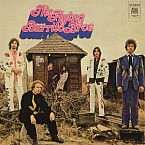
Album: The Gilded Palace of Sin (1969)
Play Video

Songfacts®:

  • According to Chris Hillman of The Flying Burrito Brothers, Gram Parsons wrote this song about his breakup with his girlfriend Nancy, with whom he had a daughter, Polly Parsons, in 1968. Even though they never married, Nancy took Gram's last name, becoming Nancy Parsons (she was formerly Nancy Ross).

    On this plaintive track, Parsons can't stand the thought of his girl with another man. "I don't want no one but you to love me," he sings.
  • Parsons wrote this song with Burrito bass player Chris Ethridge while the band was residing in their San Fernando Valley house famously dubbed "Burrito Manor." The song, like the album The Gilded Palace of Sin, barely registered on the music world of 1969 - there was a lot going on that year. However, those who did hear it quickly established a cult following for the band - that includes musicians such as Bob Dylan and The Rolling Stones.

    The Flying Burrito Brothers are one of those acts more legendary within the music industry than in the consumer base. Gram Parsons came from The Byrds, while Ian Dunlop and Mickey Gauvin came from the International Submarine Band. At their peak, they were hob-nobbing with Keith Richards and opening for the Rolling Stones at the Altamont concert, which became a pivotal moment in the 1970 film Gimme Shelter. Most surviving members leaving this group went on to found or join other bands.

    This album is cited as a major influence on the Eagles, as well as being a cornerstone of the New Traditionalist movement in mainstream Country music, influencing future artists such as Travis Tritt, Vince Gill, Alan Jackson, Clint Black, and Randy Travis.
  • "Hot Burrito #2" follows this track on the album. Written by Parsons and Ethridge in the same session, that one takes a more hard line, with Parsons warning her that she better find some love. More uptempo than #1, it also finds Parsons singing in an emotive twang that is considered one of his best vocal performances. "Those two vocals were tearjerkers," Chris Hillman said. "They give you chills."
  • The cover art for The Gilded Palace of Sin features the band wearing a set of custom country-Western suits from Nudie's Rodeo Tailors, complete with marijuana leaf embroidery.

Comments: 2

  • Rob from Vancouver, BcThanks for correcting that it was Chris Ethridge and not Chris Hillman who wrote this song with Gram Parsons. But, in doing so, you left the reference to residing at "Burrito Manor". As you know, it was Hillman and Parsons who lived there, not Ethridge and Parsons.
    -Rob, Vancouver, BC.
  • Rob from Vancouver, BcActually, this song was written by Chris Ethridge and Gram Parsons. Ethridge had written two melodies many years previously. Two songs were completed from them during the recording of The Gilded Palace of Sin as Hot Burrito #1 and Hot Burrito #2. This is confirmed by the song writing credits for the album. In Gandulf Hennig's documentary film, "Gram Parsons Fallen Angel", Chris Ethridge describes how he and Parsons wrote the two songs.
see more comments

Editor's Picks

Kevin Godley

Kevin GodleySongwriter Interviews

Kevin Godley talks about directing classic videos for The Police, U2 and Duran Duran, and discusses song and videos he made with 10cc and Godley & Creme.

Subversive Songs Used To Sell

Subversive Songs Used To SellSong Writing

Songs about drugs, revolution and greed that have been used in commercials for sneakers, jeans, fast food, cruises and cars.
Glen Phillips of Toad the Wet Sprocket

Glen Phillips of Toad the Wet SprocketSongwriter Interviews

The "All I Want" singer went through a long depression, playing some shows when he didn't want to be alive.
Dean Pitchford

Dean PitchfordSongwriter Interviews

Dean wrote the screenplay and lyrics to all the songs in Footloose. His other hits include "Fame" and "All The Man That I Need."
Who's Johnny, And Why Does He Show Up In So Many Songs

Who's Johnny, And Why Does He Show Up In So Many SongsSong Writing

For songwriters, Johnny represents the American man. He has been angry, cool, magic, a rebel and, of course, marching home.
Devo

DevoSongwriter Interviews

Devo founders Mark Mothersbaugh and Jerry Casale take us into their world of subversive performance art. They may be right about the De-Evoloution thing.