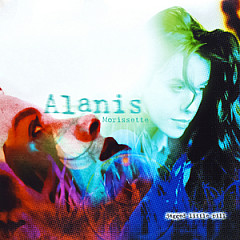
The events described in Alanis Morissette's song "Ironic," like rain on your wedding day, are not examples of irony. Irony is the use of words to convey the opposite of their literal meaning.
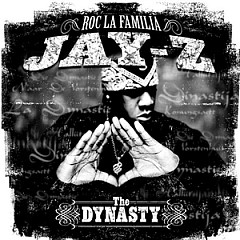
"I Just Wanna Love U (Give It 2 Me)" by Jay-Z borrows four bars from Notorious B.I.G's "The World Is Filled." Jay-Z and Biggie Smalls attended Westinghouse Career and Technical Education High School in Brooklyn, New York, at the same time.
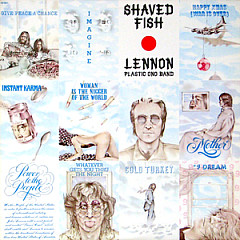
"Happy Xmas (War Is Over)" is based on billboards John Lennon and Yoko Ono posted two years earlier declaring "War Is Over! If You Want It."
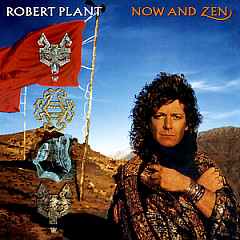
After the Beastie Boys sampled a bunch of Led Zeppelin songs, Robert Plant did it himself on his 1988 solo hit "Tall Cool One," which sampled "Whole Lotta Love," "Black Dog" and "The Ocean."
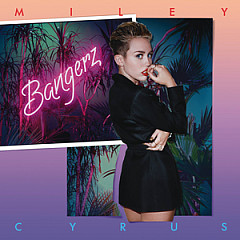
Miley Cyrus didn't write "Wrecking Ball" but could very much relate to it. She was having problems in her relationship with Liam Hemsworth, so the theme of giving your love only to have it wrecked really resonated with her.
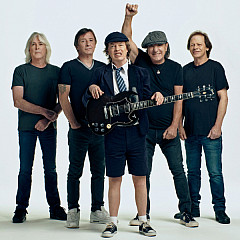
Does Angus really drink himself silly? Did their name come from a sewing machine? See if you can spot the real stories about AC/DC.

Rickie Lee Jones on songwriting, social media, and how she's handling Trump.
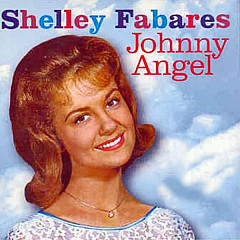
For songwriters, Johnny represents the American man. He has been angry, cool, magic, a rebel and, of course, marching home.
If the name Citizen Dick means anything to you, there's a chance you'll get some of these right.
In this talk from the '80s, the Kansas frontman talks turning to God and writing "Dust In The Wind."
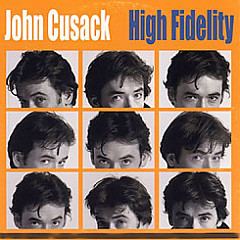
Bridesmaids, Reservoir Dogs, Willy Wonka - just a few of the flicks where characters discuss specific songs, sometimes as a prelude to murder.