Dancing Machine

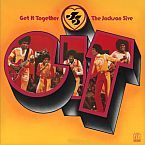
Album: Get It Together (1973)
Charted: 53 2
Play Video

Songfacts®:

  • This song is about a woman who is blessed with the boogie. Most of the lyric is a description of her moves: automatic, systematic, filled with space-age design.

    Jackson 5 producer Hal Davis, who worked at Motown Records' headquarters in Los Angeles, said he came up with the idea after a woman on the staff would repeatedly come into his office and dance when he was playing music. "She's a dancing machine," he told Don Fletcher, another songwriter at the label.

    Hitting on the title, Davis and Fletcher composed the song with guitarist Dean Parks. They recorded it at the Sound Factory in Los Angeles with session musicians William Salter (bass), James Gadson (drums) and Joe Sample (keyboards). The funky track hinted at the disco sound that was on the horizon in 1973.
  • Michael and Jermaine Jackson share lead vocals on this track. It was one of Michael's favorites and a precursor to his dance-flavored solo material in the late '70s and early '80s.
  • The first version of this song was just an album cut, including on the Jackson 5 album Get It Together in September 1973. The group had cooled off by this point: their first four Motown singles went to #1 in 1970, but they didn't crack the Top 10 in 1972 or 1973 (Michael Jackson had a #1 hit as a solo artist in this time with "Ben"). On December 15, 1973, Jermaine married Hazel Gordy, daughter of Motown chief Berry Gordy. This may have encouraged the label to get the group a hit: In 1974, a remixed version of "Dancing Machine" was released as a single and went to #2 on the Hot 100. It also topped the R&B chart, giving the group their sixth and final #1 on that tally.
  • The 1973 version opens with some space sounds and a robotic female voice that is low in the mix. According to Hal Davis, she represents an alien dancing machine emerging from her spaceship. She says, "What can I do for you, master?"
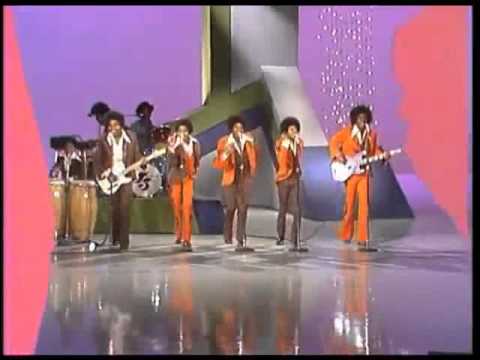
  • This song provided a showcase for Michael Jackson's dancing. When the band performed the song, he would break out some captivating moves, including The Robot, while his brothers looked on. To this point, Jackson's dancing was usually integrated into group choreography, and his solo spots were variations of James Brown moves. With "Dancing Machine," he came into his own with his dancing, which would become as famous as his singing.

    The earliest TV appearance we know of where he activates the dancing machine is on Soul Train, November 3, 1973.

Comments: 2

  • Mark from CaliforniaThe 2 weeks that "Dancing Machine" was at #2 on the Top 100 (reaching this position on 18 May 1974), the #1 record for both those weeks was "The Streak" by Ray Stevens.
  • Lifelong Jackson 5 Fan from New York CityYou should listen closer. The female robot voice at the introduction of the 1973 "Get It Together" album version of "Dancing Machine" says "Thank you master for turning me on"
see more comments

Editor's Picks

Does Jimmy Page Worship The Devil? A Look at Satanism in Rock

Does Jimmy Page Worship The Devil? A Look at Satanism in RockSong Writing

We ring the Hell's Bells to see what songs and rockers are sincere in their Satanism, and how much of it is an act.

Bryan Adams

Bryan AdamsSongwriter Interviews

What's the deal with "Summer of '69"? Bryan explains what the song is really about, and shares more of his songwriting insights.

Rush: Album by Album - A Conversation With Martin Popoff

Rush: Album by Album - A Conversation With Martin PopoffSong Writing

A talk with Martin Popoff about his latest book on Rush and how he assessed the thousands of albums he reviewed.

Spooner Oldham

Spooner OldhamSongwriter Interviews

His keyboard work helped define the Muscle Shoals sound and make him an integral part of many Neil Young recordings. Spooner is also an accomplished songwriter, whose hits include "I'm Your Puppet" and "Cry Like A Baby."

Gary Brooker of Procol Harum

Gary Brooker of Procol HarumSongwriter Interviews

The lead singer and pianist for Procol Harum, Gary talks about finding the musical ideas to match the words.

Who's Johnny, And Why Does He Show Up In So Many Songs

Who's Johnny, And Why Does He Show Up In So Many SongsSong Writing

For songwriters, Johnny represents the American man. He has been angry, cool, magic, a rebel and, of course, marching home.