The Postal Service

The Postal Service Artistfacts

  • 2001-
    Ben GibbardVocals, drums, guitar
    Jimmy TamborelloElectronics, production
  • The Postal Service released just one album, but it's a very memorable one: Give Up in 2003, with the songs "We Will Become Silhouettes" and "Such Great Heights." Their record label, Sub Pop, described it quite accurately as "a sweetly charming, largely electronic album with a warmth not typically associated with the clicks-and-beeps set."
  • The group is comprised of lead singer/guitarist Ben Gibbard and producer/beat maker Jimmy Tamborello. Gibbard is best known for fronting Death Cab For Cutie, known for songs like "I Will Follow You into the Dark" and "Soul Meets Body." In 2003 he released albums with both Death Cab (Transatlanticism) and The Postal Service (Give Up).

    Tamborello records and DJs under the name Dntel.
  • Jenny Lewis, known as both a solo artist and as the lead singer in Rilo Kiley, sang backup on six songs from the Give Up album, including "We Will Become Silhouettes" and "The District Sleeps Alone Tonight."
  • They were a long-distance collaboration back in the days when you couldn't easily send audio files back and forth to work on. Ben Gibbard and Jimmy Tamborello would record their parts on CDs and send them to each other through the mail, thus the name The Postal Service. It's a bit of a misnomer because they actually used UPS or FedEx to send the CDs.
  • They first got together when Gibbard added vocals to Tamborello's 2001 Dntel song "(This Is) The Dream of Evan and Chan." An executive at Sub Pop Records heard the song and asked the pair to record and album for the label, which is how Give Up came about. Sub Pop is an indie label known for being friendly to artists, and they didn't put any expectations on the project. Gibbard and Tamborello made the album on their own schedules and overdelivered, turning in a hit-packed album that sold over a million copies in America.
  • After touring in 2003, The Postal Service laid low until 2013, when they celebrated their 10th anniversary with a reunion tour and some new songs for a re-issue of the Give Up album. The "every 10 years" schedule seems to suit them: They toured again in 2023 for their 20th anniversary.
  • In August 2003, six months after their album came out, the US Postal Service sent them a cease-and-desist letter asking them to stop using the name. They ended up working out a deal where they got to keep the name in exchange for doing some promotion for the USPS and performing at their National Executive Conference on November 17, 2004.

Comments

Be the first to comment...

Editor's Picks

Facebook, Bromance and Email - The First Songs To Use New Words

Facebook, Bromance and Email - The First Songs To Use New WordsSong Writing

Where words like "email," "thirsty," "Twitter" and "gangsta" first showed up in songs, and which songs popularized them.
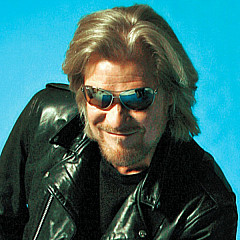
Daryl Hall

Daryl HallSongwriter Interviews

Daryl Hall's TV show is a hit, and he's been inducted into the Rock and Roll Hall of Fame - only one of these developments excites him.

Mark Arm of Mudhoney

Mark Arm of MudhoneySongwriter Interviews

When he was asked to write a song for the Singles soundtrack, Mark thought the Seattle grunge scene was already overblown, so that's what he wrote about.
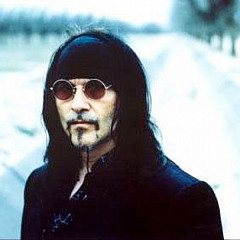
Al Jourgensen of Ministry

Al Jourgensen of MinistrySongwriter Interviews

In the name of song explanation, Al talks about scoring heroin for William Burroughs, and that's not even the most shocking story in this one.

The Fratellis

The FratellisSongwriter Interviews

Jon Fratelli talks about the band's third album, and the five-year break leading up to it.

Chris Frantz of Talking Heads

Chris Frantz of Talking HeadsSongwriter Interviews

Talking Heads drummer Chris Frantz on where the term "new wave" originated, the story of "Naive Melody," and why they never recorded another cover song after "Take Me To The River."