
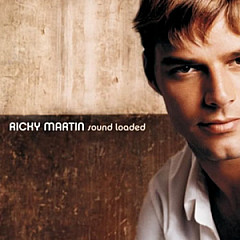
The Ricky Martin song "She Bangs" found new life when William Hung performed it so horribly on a 2004 episode of American Idol that it went viral.
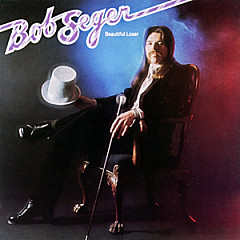
Bob Seger's song "Beautiful Loser" was inspired by book Leonard Cohen published in 1966 called Beautiful Losers.
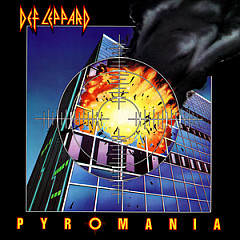
The "Gunter Glieben Glauten Globen" intro in Def Leppard's "Rock Of Ages" is something their producer Mutt Lange came up with when he got tired of counting them "1, 2, 3, 4..."
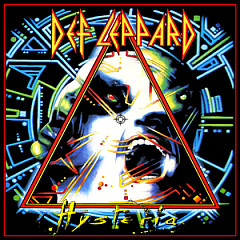
The line "satellite of love" in the Def Leppard song "Rocket" came from the title of a 1972 Lou Reed song.
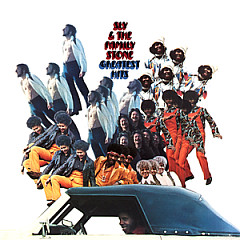
Sly & the Family Stone's "Thank You (Falettinme Be Mice Elf Agin)" was a huge hit in 1970 and found new life when Janet Jackson sampled the bass riff on her 1989 hit "Rhythm Nation."
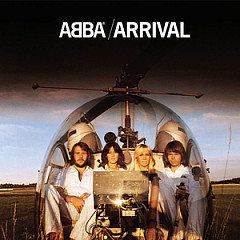
ABBA's Bjorn Ulvaeus and Benny Andersson conceived "Dancing Queen" as a dance song with the working title "Boogaloo," drawing inspiration from the 1974 George McCrae disco hit "Rock Your Baby." Their manager Stig Anderson came up with the title "Dancing Queen."
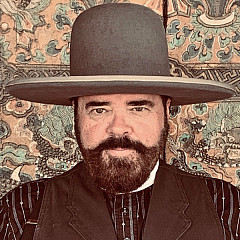
Andrew Farriss on writing with Michael Hutchence, the stories behind "Mystify" and other INXS hits, and his country-flavored debut solo album.
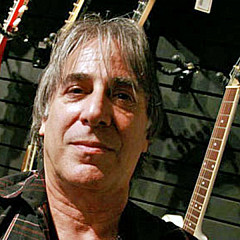
Danny played guitar on Sweet Baby James, Tapestry, and Running On Empty. He also co-wrote many hit songs, including "Dirty Laundry," "Sunset Grill" and "Tender Is The Night."
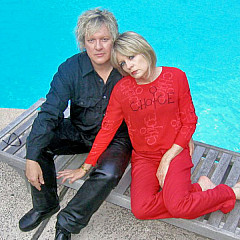
Chris and his wife Tina were the rhythm section for Talking Heads when they formed The Tom Tom Club. "Genius of Love" was their blockbuster, but David Byrne only mentioned it once.
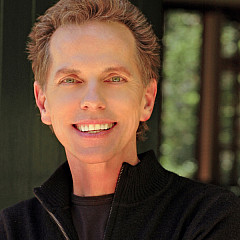
Dean wrote the screenplay and lyrics to all the songs in Footloose. His other hits include "Fame" and "All The Man That I Need."
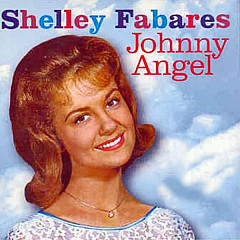
For songwriters, Johnny represents the American man. He has been angry, cool, magic, a rebel and, of course, marching home.
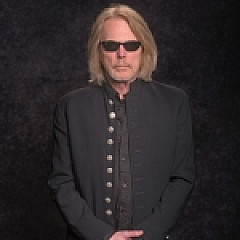
Writing with Phil Lynott, Scott saw their ill-fated frontman move to a darker place in his life and lyrics.