
Lily The Pink

Album: L The P (1968)
Charted: 1
Play Video

Songfacts®:

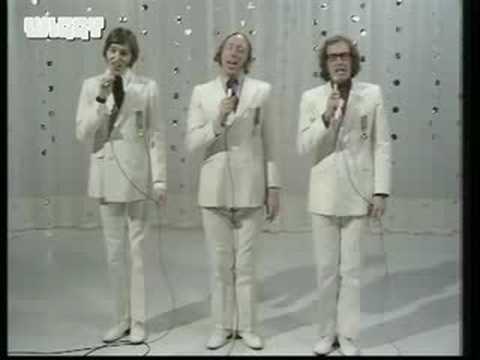
  • The Scaffold were a group formed in Liverpool, England by comic John Gorman, poet Roger McGough and Mike McGear, who was later revealed to be Paul McCartney's younger brother. They specialized in comic songs, such as this one, which was their only UK chart-topper. Scaffold achieved two other Top 10 hits "Thank U Very Much" and "Liverpool Lou."
  • This was based on a bawdy folk song called "The Ballad of Lydia Pinkham," which was traditionally sung in changing rooms by rugby teams after matches. The trio wrote new lyrics for the tune; "Jennifer Eccles and her terrible freckles" were added because Graham Nash joined them in the studios at Abbey Road to contribute some backing vocals and the lyric alluded to Nash's band, The Hollies', hit "Jennifer Eccles." The verse about "Mr Frears and his sticky-out ears" related to film director Stephen Frears who in his younger days nearly destroyed the trio's career with his inept directing of their comedy pieces during a tour. Scaffold extracted revenge by writing about his "sticky-out ears." Frears went on to have a successful career, which included two Oscar nominations for Best Director, (1990 The Grifters and 2006 The Queen).
  • Nash was not the only well-known name to contribute to this track. A young Tim Rice, who at the time was a teaboy at Abbey Road studios, was a backing vocalist. He would later find fame as a lyricist for musicals such as Jesus Christ Superstar and Evita. Another young backing vocalist was a certain Reg Dwight, (before he adopted the name of Elton John). Jack Bruce played bass and according to his website Keith Moon was also present.
  • Mike McGear borrowed Ringo's bass drum and covered it with his overcoat to get the thump, thump, thump sound right at the end of the song.
  • The French version of this song, "Le Sirop Typhon" by Richard Anthony, was also a hit selling 800,000 copies.
  • The real Lydia Pinkham was a 19th century seller of a commercially successful herbal "women's tonic," which was intended to relieve menstrual and menopausal pains. She used the slogan "A Baby in Every Bottle" to advertise her product. A pioneering businesswoman in a man's world, in the late 19th century Lydia Pinkham was a household name thanks to her a pioneering and innovative approach to marketing her herbal remedies to women. The folk song that tells her story was the unofficial regimental song of the Royal Tank Corps during the Second World War. There is also a version by Ragtime revivalist Max Morath on his 1995 album Drugstore Cabaret.

Comments: 1

  • Reed from New Ulm, MnI think it was so cool of Mike[McGear] to alter his last name, so as not to capitolize on his older brothers [gigantic]fame.
    That, to me; seems to be the epitome of brotherly love.
see more comments

Editor's Picks

AC/DC

AC/DCFact or Fiction

Does Angus really drink himself silly? Did their name come from a sewing machine? See if you can spot the real stories about AC/DC.

Rickie Lee Jones

Rickie Lee JonesSongwriter Interviews

Rickie Lee Jones on songwriting, social media, and how she's handling Trump.
Who's Johnny, And Why Does He Show Up In So Many Songs

Who's Johnny, And Why Does He Show Up In So Many SongsSong Writing

For songwriters, Johnny represents the American man. He has been angry, cool, magic, a rebel and, of course, marching home.

Grunge Bands Quiz

Grunge Bands QuizMusic Quiz

If the name Citizen Dick means anything to you, there's a chance you'll get some of these right.
Kerry Livgren of Kansas

Kerry Livgren of KansasSongwriter Interviews

In this talk from the '80s, the Kansas frontman talks turning to God and writing "Dust In The Wind."
Songs Discussed in Movies

Songs Discussed in MoviesSong Writing

Bridesmaids, Reservoir Dogs, Willy Wonka - just a few of the flicks where characters discuss specific songs, sometimes as a prelude to murder.