Ghetto Child

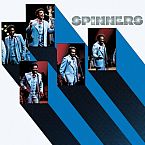
Album: Spinners (1973)
Charted: 7 29
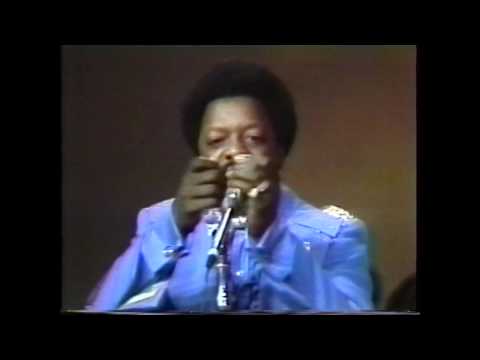
Play Video

Songfacts®:

  • Songs about the hard life growing up in the city proliferated in the early '70s, with Marvin Gaye's "Inner City Blues (Make Me Wanna Holler)" and Stevie Wonder's "Living for the City" leading the way. The Spinners' entry was "Ghetto Child," which tells the story of a kid who leaves at 17 to find a better life elsewhere.

    The lyric was written by Linda Creed, a white woman from Philadelphia who attended the predominantly black Germantown High School. She was the songwriting partner of choice for Spinners producer Thom Bell, who wrote the music for the song. Before working with The Spinners, they wrote hits for The Stylistics, including "Betcha By Golly Wow!" and "You Are Everything."
  • The Spinners shared the love on this track, with three of their five singers getting a lead vocal. The baritone singer who starts it off is Henry Fambrough, who is followed by Philippé Wynne. Bobbie Smith comes in for the "No one tried to understand" part. Fambrough were original members; Wynne joined in 1972.
  • Linda Creed, who wrote the lyric, was not a fan of this song (she died of cancer in 1986 at 37). "I can identify everything because I only write from my own experience," she told Bruce Pollock. "The only song I didn't write from my own experience was 'Ghetto Child,' which is probably why I've always hated it."
  • The word "ghetto" is great to sing, with a nice juicy vowel at the end. Starting with Elvis Presley's 1969 hit "In The Ghetto," there were a number of songs that used the word in the title over the next several years, including "The World Is A Ghetto" by War and "Ghetto Woman" by B.B. King. The word became a pejorative in the '80s and stopped showing up in song titles. In the '90s, it returned with the rise of hip-hop in songs like "The Ghetto" by Too Short and "Ghetto Supastar" by Pras.
  • The Spinners were in the middle of an impressive, well-earned run of hits when they released this song in 1973. They formed in 1955 and had a hit in 1961 with "That's What Girls Are Made For." They got absorbed into Motown Records in 1963, which should have been the jackpot but ended up crapping out. Largely ignored by the label, they had just one substantial hit - "It's A Shame" in 1970 - before jumping ship to Atlantic Records. There, they teamed with producer Thom Bell and quickly found their form, with three huge hits leading up to "Ghetto Child": "I'll Be Around," "Could It Be I'm Falling In Love," and "One Of A Kind (Love Affair)." These songs were all recorded at Sigma Sound Studios in Philadelphia, backed by the studio band, MFSB, the same bunch that gave us the Soul Train theme.
  • "Ghetto Child" did surprisingly well in the UK, where it rose to #7, giving The Spinners their first Top 10 hit in that territory. In Britain, they used the name The Detroit Spinners because there was a well-established folk group called The Spinners.

Comments

Be the first to comment...

Editor's Picks

Trans Soul Rebels: Songs About Transgenderism

Trans Soul Rebels: Songs About TransgenderismSong Writing

A history of songs dealing with transgender issues, featuring Pink Floyd, David Bowie, Morrissey and Green Day.

Melanie

MelanieSongwriter Interviews

The singer-songwriter Melanie talks about her spiritual awakening at Woodstock, "Brand New Key," and why songwriting is an art, not a craft.

90210 to Buffy to Glee: How Songs Transformed TV

90210 to Buffy to Glee: How Songs Transformed TVSong Writing

Shows like Dawson's Creek, Grey's Anatomy and Buffy the Vampire Slayer changed the way songs were heard on TV, and produced some hits in the process.

Robert DeLeo of Stone Temple Pilots

Robert DeLeo of Stone Temple PilotsSongwriter Interviews

Stone Temple Pilots bass player Robert DeLeo names the songs that have most connected with fans and tells the stories behind tracks from their Tiny Music album.

Matthew Wilder - "Break My Stride"

Matthew Wilder - "Break My Stride"They're Playing My Song

Wilder's hit "Break My Stride" had an unlikely inspiration: a famous record mogul who rejected it.

David Sancious

David SanciousSongwriter Interviews

Keyboard great David Sancious talks about his work with Sting, Seal, Springsteen, Clapton and Aretha, and explains what quantum physics has to do with making music.