Then Came You

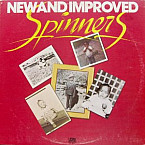
Album: New And Improved (1974)
Charted: 29 1
Play Video

Songfacts®:

  • The Spinners got together with Dionne Warwick on this ebullient song where they find love for the first time. Many of the group's hits are about the dark side of love ("It's A Shame," "I'll Be Around"), but this one is more like "Could It Be I'm Falling In Love," where it's fresh and exciting.
  • Dionne Warwick first joined forces with The Spinners in the summer of 1973 when they toured together for seven weeks. The Spinners were produced by Thom Bell, who came up with the idea of pairing them on a song. Bell was a principal at Philadelphia International Records, where he add access to a team of songwriters and musicians (The Spinners were signed to Atlantic, which contracted Bell). He assigned two writers - Sherman Marshall and Philip Pugh - the task of coming up with the right song. They delivered "Then Came You," which after some tweaks by Bell, he thought was perfect for their collaboration.

    The last week of the tour was a run in Las Vegas, a Dionne Warwick stronghold. Bell came to the last show, and afterward, told them he had a song for them to record. Warwick wasn't impressed with it but got onboard with the idea. They recorded it at Sigma Sound Studios in Philly with Bell producing, and released the song in the summer of 1974. In October, it rose to #1 in America, the only Hot 100 chart topper for either Warwick or The Spinners.
  • The Spinners had two tenor vocalists who often shared leads: Bobbie Smith and Philippé Wynne. On "Then Came You," Smith sings with Warwick for most of the song, then Wynne comes in at the end to take it home, doing some interplay with Warwick where they exalt in their newfound love. Producer Thom Bell had them sing together in the same booth to get the right feel, something Marvin Gaye and Tammi Terrell did on their duets.
  • Warwick and The Spinners were on different trajectories when they came together for this song. Warwick had a great run in the '60s, landing hit after hit with songs written by Burt Bacharach and Hal David. When she moved to Warner Bros. Records in 1972, her hits dried up. The Spinners were at Motown Records from 1963-1972 with little to show for it, but their move to Atlantic Records in 1972 jumpstarted a string of hits produced by Thom Bell. Warwick was a bigger live draw, but The Spinners were making hits. "Then Came You" gave them both a nice bump. The Spinners had a few more big hits over the next few years, but Warwick didn't land any more until 1979, when she got her groove back with "I'll Never Fall in Love Again."
  • "Then Came You" was included on The Spinners album New And Improved in late 1974, then was used as the title track to Dionne Warwick's album in 1975. There were plans for both acts to record an entire album together, but those never materialized.

Comments

Be the first to comment...

Editor's Picks

Jesus Christ Superstar: Ted Neeley Tells the Inside Story

Jesus Christ Superstar: Ted Neeley Tells the Inside StorySong Writing

The in-depth discussion about the making of Jesus Christ Superstar with Ted Neeley, who played Jesus in the 1973 film.

Name the Character in the Song

Name the Character in the SongMusic Quiz

With a few clues (Works at a diner, dreams of running away), can you name the character in the song?

Richard Butler of The Psychedelic Furs

Richard Butler of The Psychedelic FursSongwriter Interviews

Psychedelic Furs lead singer Richard Butler talks about their first album since 1991 and explains what's really going on in "Pretty In Pink."

History Of Rock

History Of RockSong Writing

An interview with Dr. John Covach, music professor at the University of Rochester whose free online courses have become wildly popular.

Dean Friedman - "Ariel"

Dean Friedman - "Ariel"They're Playing My Song

Dean's saga began with "Ariel," a song about falling in love with a Jewish girl from New Jersey.
He Hit Me (And It Felt Like A Kiss): A History Of Abuse Pop

He Hit Me (And It Felt Like A Kiss): A History Of Abuse PopSong Writing

Songs that seem to glorify violence against women are often misinterpreted - but not always.