Bye Bye Badman

Album: The Stone Roses (1989)
Play Video

Songfacts®:

  • This song was written by John Squire and Ian Brown about the French student riots of 1968. Ian Brown explained the song: "Imagine a protester singing [it] in a policeman's face during the Paris riots. Then you'll get some idea what it's about."
  • John Squire quoted in Q magazine's 2001 "The 100 Best Covers Of All Time" issue: "lan had met this French man when he was hitching around Europe. This bloke had been in the riots, and he told Ian how lemons had been used as an antidote to tear gas. Then there was the documentary - a great shot at the start of a guy throwing stones at the police. I really liked his attitude."

    The documentary he refers to was shown in Spring 1988 on UK's Channel 4. It was part of a series of programs marking the 20th anniversary of the Paris student riots and subsequent strikes that all but paralyzed France in 1968. John Squire and Ian Brown were particularly inspired by one of the documentaries, entitled "Revolution Revisited" and were inspired to write Bye Bye Badman.
  • One interpretation of the title is that "Bye Bye Badman" describes the rioters' feeling towards President Charles de Gaulle.
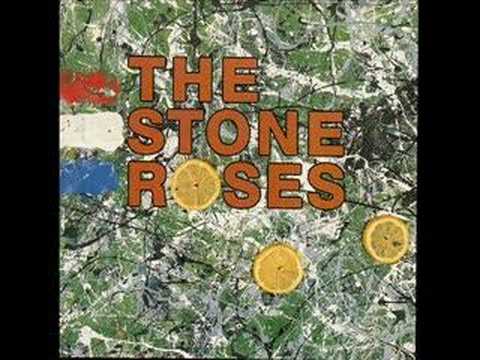
  • The lyric "Choke me, smoke the air, in this citrus-sucking sunshine I don't care" refers to the students who carried lemons. This was because they believed that sucking on them would be an antidote of sorts to the effects of tear gas.
  • The Stone Roses album is structured along the life of Christ. It starts with "I Wanna Be Adored," referring to Jesus' birth and the Adoration of the Magi, and the final track is "I Am The Resurrection," which refers to the resurrection of Christ. Though this song is principally about the 1968 Paris student riots, it also references the crucifixion of Jesus, in which they depict the suffering he endured on the cross. They depict Jesus as a revolutionary, who like the Parisian students denounced the authorities of His time. Jesus dying for the sins of mankind is central to the Christian faith so this song about his crucifixion is in the middle of the album.
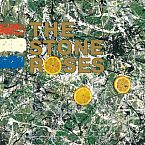
  • The cover of the album displays a work by John Squire. It is a Jackson Pollock inspired piece titled "Bye Bye Badman," which include both the French tricolor and lemons, both referring to this song.
  • The first track on Ian Brown's first solo album Unfinished Monkey Business is "Under The Paving Stones - The Beach," which is a slogan the Parisian student protesters adopted after they ripped up the paving stones and found sand underneath.

Comments

Be the first to comment...

Editor's Picks

Gary Brooker of Procol Harum

Gary Brooker of Procol HarumSongwriter Interviews

The lead singer and pianist for Procol Harum, Gary talks about finding the musical ideas to match the words.

Andy McClusky of OMD

Andy McClusky of OMDSongwriter Interviews

Known in America for the hit "If You Leave," OMD is a huge influence on modern electronic music.

Waiting For The Break of Day: Three Classic Songs About All-Nighters

Waiting For The Break of Day: Three Classic Songs About All-NightersSong Writing

These Three famous songs actually describe how they were written - late into the evening.

Donald Fagen

Donald FagenSongwriter Interviews

Fagen talks about how the Steely Dan songwriting strategy has changed over the years, and explains why you don't hear many covers of their songs.

Graham Nash

Graham NashSongwriter Interviews

Graham Nash tells the stories behind some of his famous songs and photos, and is asked about "yacht rock" for the first time.

Michael Sweet of Stryper

Michael Sweet of StryperSongwriter Interviews

Find out how God and glam metal go together from the Stryper frontman.