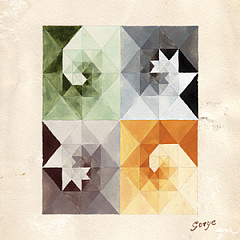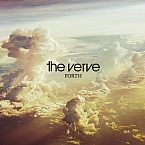

Judas

Album: Forth (2008)
Play Video

Songfacts®:

  • This was born out of a full band jam on the band's very first day of recording. Like a number of songs on the album, the first take was the one that was used. Bass player Simon Jones explained in an interview with BBC DJ Steve Lamacq: "I leave my mistakes on the record. I mean, nobody else can probably hear them but I know where all my mistakes are and it's like, I didn't want to touch it. That is a unique take. I don't want to go back in and touch up that bit there, touch up that. Obviously if there's a big blooper then you will but I am quite strict with myself in the sense that yeah, if there's a bit of a mistake, that that's human, that's character, you know what I mean? (laughter) That takes confidence to do that because a lot of people would be, 'Oh, I can't do that,' but to me it's like, you know, that's what a band should sound like. People have got so wrapped up in production and stuff that I guess they're scared to show their flaws and that but I don't think we ever have been, you know."
  • Frontman Richard Ashcroft told BBC DJ Steve Lamacq that one of the lines in this song was based on fact. He revealed: "I was in New York City and I always found it intriguing that in the big coffee shop, just on Columbus Circle, just because it was so busy they would always ask your name so they could write it on the cup and I'm always intrigued by the power of any word and specifically names obviously. There's not been many Adolf Hitlers born post the Second World War and there's also not been many Judases, perhaps none. It's a name that's been vilified, so when I was in this coffee shop I decided that I was going to order a latte, double shot and she said, 'What's your name?' I said, 'Judas,' because it was packed and I wanted to see the reaction when she said, 'Latte, double shot for Judas,' which she did and it does and it causes this like, 'Who on earth would be called that? You know, and it's incredible that that word two thousand years later could still have such power and at the end in the chorus of Judas it goes into, all it says is 'Let it go, let it go,' because surely that is the message and that's really the motivation for that song but it's an example of where, this is reality, this is just a funny social experiment, you know."
  • Guitarist Nick McCabe described the sound of this to Q magazine February 2008 as: "Love Unlimited Orchestra produced by Lee Perry."
  • Richard Ashcroft told Uncut magazine February 2008 that this is, "Like the daddy of 'Man Called Sun' (from 1992 Verve EP). It's where that part of our sound would naturally be today."

Comments

Be the first to comment...

Editor's Picks

Trans Soul Rebels: Songs About Transgenderism

Trans Soul Rebels: Songs About TransgenderismSong Writing

A history of songs dealing with transgender issues, featuring Pink Floyd, David Bowie, Morrissey and Green Day.

Melanie

MelanieSongwriter Interviews

The singer-songwriter Melanie talks about her spiritual awakening at Woodstock, "Brand New Key," and why songwriting is an art, not a craft.

90210 to Buffy to Glee: How Songs Transformed TV

90210 to Buffy to Glee: How Songs Transformed TVSong Writing

Shows like Dawson's Creek, Grey's Anatomy and Buffy the Vampire Slayer changed the way songs were heard on TV, and produced some hits in the process.

Robert DeLeo of Stone Temple Pilots

Robert DeLeo of Stone Temple PilotsSongwriter Interviews

Stone Temple Pilots bass player Robert DeLeo names the songs that have most connected with fans and tells the stories behind tracks from their Tiny Music album.

Matthew Wilder - "Break My Stride"

Matthew Wilder - "Break My Stride"They're Playing My Song

Wilder's hit "Break My Stride" had an unlikely inspiration: a famous record mogul who rejected it.

David Sancious

David SanciousSongwriter Interviews

Keyboard great David Sancious talks about his work with Sting, Seal, Springsteen, Clapton and Aretha, and explains what quantum physics has to do with making music.