
Shadowboxing

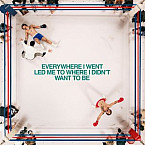
Album: Everywhere I Went, Led Me To Where I Didn't Want To Be (2025)
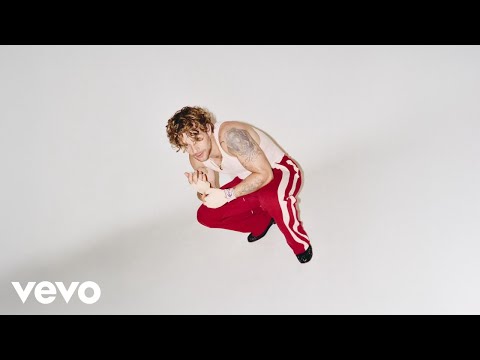
Play Video

Songfacts®:

  • Inspired by Tom Grennan's personal battles with mental health, "Shadowboxing" details the exhausting, daily struggle of fighting one's own demons. Grennan describes it as "my fight with a side of me I have a lot of trouble with."
  • In boxing, shadowboxing is a training exercise where you throw punches at an invisible opponent, which sounds rather dramatic until you realize it's also an apt metaphor for Grennan's internal battles. He's not squaring up against another fighter; he's going toe-to-toe with himself. And, as Grennan points out, it's still a daily fight, though he now considers himself "mentally and physically prepared" and even claims to be "in athlete mode."

    He's not the first to use the metaphor. Fiona Apple's 1996 debut album has a song called "Shadowboxer" that finds her fighting against an enemy that's not really there.
  • The chorus makes it clear this is an ongoing struggle:

    Every day, I'm working, working, working on me
    Constantly, I'm holding, holding, holding the beast down
    Thought it would be easy, easy, easy to leave
    But, oh, hell, I'm shadowboxing myself


    That last line pretty much sums up the song's whole concept - no external opponent, just Grennan versus Grennan in a battle for control.
  • Grennan recorded "Shadowboxing" for his fourth album, Everywhere I Went, Led Me to Where I Didn't Want to Be, a title that suggests the singer has spent quite a bit of time going in the exact wrong direction. The song ties in with the deeply introspective project's concept about struggling with oneself and somehow coming out stronger on the other side.
  • On the songwriting side, Grennan teamed up with Justin Tranter, Cleo Tighe, and Jussi "Jussifer" Karvinen. Jussifer also handled production alongside Danitello. Jussifer, a Finnish-American producer, is essentially a one-man band on this track, credited for bass, drums, guitar, keyboards, programming, synthesizers, and vocal production. Tranter and Tighe also contributed background vocals.

    Justin Tranter's involvement is worth noting, as he has a track record of working with some of pop's biggest names, including Justin Bieber ("Sorry"), Selena Gomez ("Good For You") and Chappell Roan ("Good Luck, Babe!"). His knack for turning personal turmoil into pop music is on full display here, helping Grennan translate his inner struggles into a song that feels both deeply personal and universally relatable.

Comments

Be the first to comment...

Editor's Picks

Joan Armatrading

Joan ArmatradingSongwriter Interviews

The revered singer-songwriter talks inspiration and explains why she put a mahout in "Drop the Pilot."

American Hits With Foreign Titles

American Hits With Foreign TitlesSong Writing

What are the biggest US hits with French, Spanish (not "Rico Suave"), Italian, Scottish, Greek, and Japanese titles?

Is That Song Public Domain?

Is That Song Public Domain?Fact or Fiction

Are classic songs like "Over The Rainbow" and "Take Me Out to the Ballgame" in the public domain?

Lita Ford

Lita FordSongwriter Interviews

Lita talks about how they wrote songs in The Runaways, and how she feels about her biggest hit being written by somebody else.

Best Band Logos

Best Band LogosSong Writing

Queen, Phish and The Stones are among our picks for the best band logos. Here are their histories and a design analysis from an expert.

Phone Booth Songs

Phone Booth SongsSong Writing

Phone booths are nearly extinct, but they provided storylines for some of the most profound songs of the pre-cell phone era.