La Marseillaise

Album: National Anthems (1792)
Play Video

Songfacts®:

  • "La Marseillaise" or "The Marseillaise" is one of the most instantly recognizable of National Anthems.

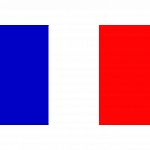
    According to the 1997 edition of National Anthems of the World, it is not only the National Anthem of France but is also used in French Guiana, French Polynesia, Guadeloupe, Martinique, Mayotte, New Caledonia, Reunion, St. Pierre-Miquelon and Wallis & Futuna Islands. According to the same book, it was "Written and composed on 24 April 1792, as a marching song. Adopted as the National Anthem on 15 July, 1795." The composer was Claude-Joseph Rouget de L'isle (1760-1836); a translation by T.M. Cartledge gives the opening line as "Arise, children of the fatherland..." and the final line of its seven verses as "May the tyrant's foul blood water our furrows!" Other translations are more palatable!

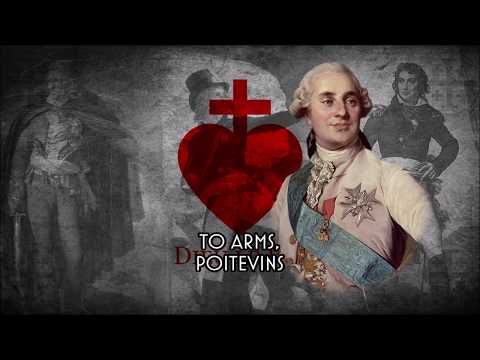
    The title means literally someone or something from Marseilles, this derived from its being sung by troops from Marseilles when they arrived in Paris; it was originally called "Chant De Guerre De L'armeé Du Rhin" which may be translated as "War Song Of The Army Of The Rhine."
  • Amateur musician Rouget de Lisle was a Captain of the Engineers stationed in Strasbourg at the time. His composition was played at a patriotic banquet at Marseilles, and printed copies were handed out to the revolutionary forces then marching on Paris. They entered the city singing it on August 10 that year.

    A Royalist, Rouget de Lisle refused to take the oath of allegiance to the new Constitution, and was lucky to escape with his head, literally, as at this time Madame Guillotine was in full swing. "La Marseilles" was banned by Napoleon, reinstated, banned again, and then reinstated finally in 1879.
  • The French National Anthem appears in many English language films, including the 1942 classic Casablanca and the 1973 thriller The Day Of The Jackal (which inspired the Kate Bush song "James And The Cold Gun"). Lennon-McCartney used a few bars from "La Marseillaise" at the beginning of "All You Need Is Love." >>
    Suggestion credit:
    Alexander Baron - London, England, for above 3
  • This song was performed across the globe in solidarity with France in the days after the November 13, 2015 terrorist attacks in Paris. The following day, the Metropolitan Opera in New York City opened its matinee performance with a rendition by Plácido Domingo; the song's lyrics were included in the program, and the audience sang along in support.

Comments: 2

  • Gym Mines from SaleIt is time to take a look at our National Anthem as it is really the Queen's anthem ad does nothing for many Patriotic English people like myself.
    I am proud to call myself ENGLISH - NOT A ROYALIST.
  • Chomper03 from Chambersburg, PaThis song was also used in the Monty Python's movie, "And Now For Something Completely Different". In the movie, it was used during the "Man With The Tape Recorder Up His Nose" scene; in which a man played the tune while sticking a finger up his nose and his brother's nose. :P
see more comments

Editor's Picks

Second Wind Songs

Second Wind SongsSong Writing

Some songs get a second life when they find a new audience through a movie, commercial, TV show, or even the Internet.

The Fratellis

The FratellisSongwriter Interviews

Jon Fratelli talks about the band's third album, and the five-year break leading up to it.

Eagles Lyrics Quiz

Eagles Lyrics QuizMusic Quiz

Lots of life lessons in these Eagles lyrics - can you match them to the correct song?

Charlie Benante of Anthrax

Charlie Benante of AnthraxSongwriter Interviews

The drummer for Anthrax is also a key songwriter. He explains how the group puts their songs together and tells the stories behind some of their classics.

Rock Revenge Songs

Rock Revenge SongsMusic Quiz

John Lennon, Paul Simon and Lynyrd Skynyrd are some of the artists who have written revenge songs. Do you know who they wrote them about?

Adam Young of Owl City

Adam Young of Owl CitySongwriter Interviews

Is Owl City on a quest for another hit like "Fireflies?" Adam answers that question and explains the influences behind many others.