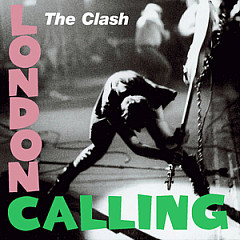
After a devastating car accident, the actor Montgomery Clift had to be filmed from "The Right Profile" to look good - that provided the name of The Clash song.
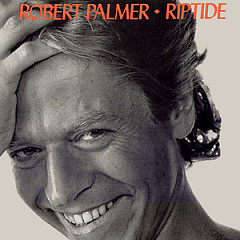
The models in Robert Palmer's iconic "Addicted To Love" video were chosen in part because they couldn't play music, so they're all playing and moving to different rhythms.
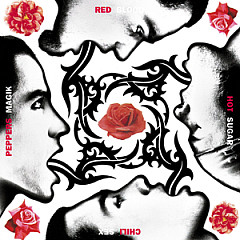
If what you get equals what you give away, you might as well give it all away. That's the concept behind "Give It Away" by Red Hot Chili Peppers.
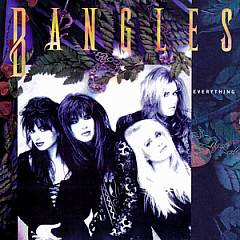
The Bangles song "Eternal Flame" was inspired by a display at Graceland that honored Elvis Presley.
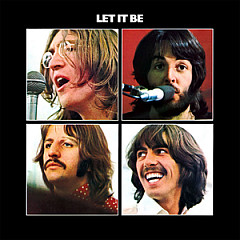
"The Long and Winding Road" became The Beatles' last US #1 song on June 13, 1970.
The '70s gave us Muppets, disco and Van Halen, all which show up in this groovy quiz.
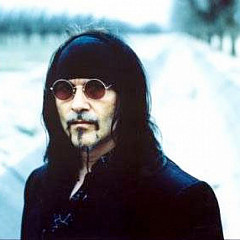
In the name of song explanation, Al talks about scoring heroin for William Burroughs, and that's not even the most shocking story in this one.
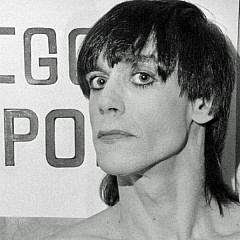
Chris Stein of Blondie shares photos and stories from his book about the New York City punk scene.
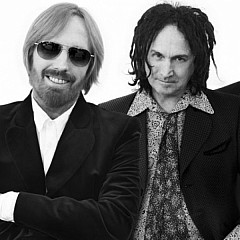
Mike is lead guitarist with Tom Petty & the Heartbreakers, and co-writer of classic songs like "Boys Of Summer," "Refugee" and "The Heart Of The Matter."
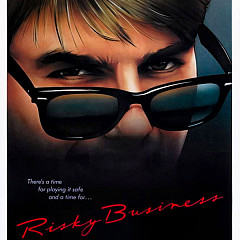
You know the scenes - Tom Cruise in his own pants-off dance off, Molly Ringwald celebrating her birthday - but do you remember what song is playing?
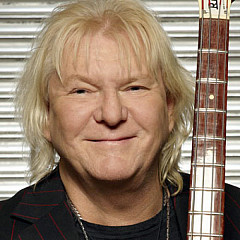
One of the most dynamic bass player/songwriters of his time, Chris is the only member of Yes who has been with the band since they formed in 1968.