The Daring Young Man On The Flying Trapeze

Album: Circus Classics (1867)
Play Video

Songfacts®:

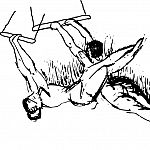
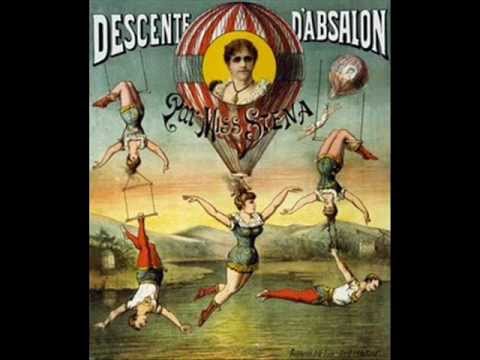
  • According to The Tin Pan Alley Song Encyclopedia, the 1868 song "The Daring Young Man On The Flying Trapeze" is "arguably the most famous circus song in American popular music"; the lyrics are generally credited to the English music hall performer George Leybourne, and the music to Alfred Lee, but "the authorship is suspect, a very similar ditty having been sung in London music halls by comic singer Joe Saunders earlier in the 1860s."

    Oops! If author Thomas Hischak had done a bit more research he would have realized that George Leybourne was the stage name of Joe Saunders (1842-84). The music was actually composed by Gaston Lyle; Alfred Lee was the arranger, and the song was first published in 1867.
  • The daring young man in question was Jules Léotard, the famous French trapeze artist. Léotard made his music hall debut in 1861 in London's West End; it was he who invented the leotard, the one-piece garment to allow the unrestricted movement which was so vital in his death-defying act, and which would later become standard wear for ballet dancers.

    Léotard was paid £180 a week for his act, the equivalent of £5,000 today, but died aged only 28, from an infectious disease rather than from a fall. Thomas Hischak says the song was first heard in American Vaudeville in the 1870s, where it was popularized by Johnny Allen.
  • The 1933 Rudy Vallee recording as "The Man On The Flying Trapeze" was a bestseller; this was arranged by May Singhi Breen, who also arranged "Tears," which thirty and more years later would become a massive hit for Ken Dodd. The composer of this version is credited as Walter O'Keefe on the sheet music, which was published by Robbins Music Corps. It was sung in the 1941 film Under Fiesta Stars, by Gene Autry; the song and subject have also inspired a number of films. >>>
    Suggestion credit:
    Alexander Baron - London, England, for all above
  • This features prominently in the 1934 romantic comedy It Happened One Night, where it's sung by passengers on a bus - including stars Clark Gable and Claudette Colbert.
  • This was used on a 1978 episode of The Muppet Show when Miss Piggy sings it during Kermit the Frog's ill-fated trapeze act.

Comments: 1

  • David T. from Northern CaliforniaAnother version which I'm surprised has not been mentioned here, given how both at the same time popular and obscure the song is as far as how often it is sung or mentioned in today's society, and given that any fans of the song would likely be visiting this page, is the version by Spike Jones. It's whacky with the arrangement, but shows a deep understanding of both the original lyrics and arrangement, and the seriousness and the silliness of love, while also paying a serious homage to the original.
see more comments

Editor's Picks

Facebook, Bromance and Email - The First Songs To Use New Words

Facebook, Bromance and Email - The First Songs To Use New WordsSong Writing

Where words like "email," "thirsty," "Twitter" and "gangsta" first showed up in songs, and which songs popularized them.

Stand By Me: The Perfect Song-Movie Combination

Stand By Me: The Perfect Song-Movie CombinationSong Writing

In 1986, a Stephen King novella was made into a movie, with a classic song serving as title, soundtrack and tone.

Adele

AdeleFact or Fiction

Despite her reticent personality, Adele's life and music are filled with intrigue. See if you can spot the true tales.

Ian Anderson: "The delight in making music is that you don't have a formula"

Ian Anderson: "The delight in making music is that you don't have a formula"Songwriter Interviews

Ian talks about his 3 or 4 blatant attempts to write a pop song, and also the ones he most connected with, including "Locomotive Breath."

John Lee Hooker

John Lee HookerSongwriter Interviews

Into the vaults for Bruce Pollock's 1984 conversation with the esteemed bluesman. Hooker talks about transforming a Tony Bennett classic and why you don't have to be sad and lonely to write the blues.

Al Jourgensen of Ministry

Al Jourgensen of MinistrySongwriter Interviews

In the name of song explanation, Al talks about scoring heroin for William Burroughs, and that's not even the most shocking story in this one.