



Sheryl Crow's "Soak Up The Sun" isn't as lighthearted as it seems: the song deals with the prevailing head-in-the-sand reaction to climate change.
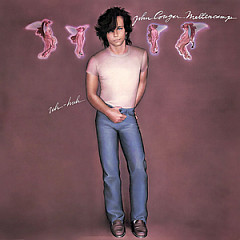
John Mellencamp considers "Pink Houses" an "anti-American song," laying bare the struggles of the poor and working class.
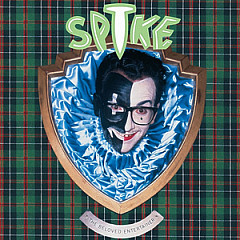
"Veronica" was inspired by Elvis Costello's grandmother, who suffered from Alzheimer's disease.
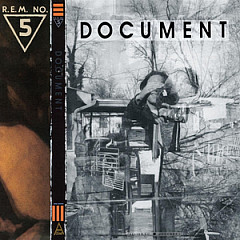
"It's the End of the World As We Know It (And I Feel Fine)" was inspired by a dream where Michael Stipe conjured up images of people with the initials L.B.: Lester Bangs, Leonid Breshnev, Lenny Bruce and Leonard Bernstein.
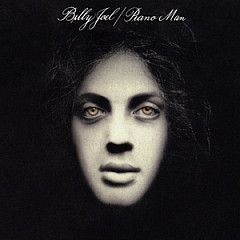
Billy Joel is surprised that "Piano Man" is so successful. He called it "an old, long song about a guy at a depressing piano bar."
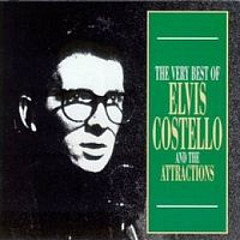
Lyrically, Elvis Costello's "Watching The Detectives" was inspired by American detective shows; musically, it was inspired by The Clash.

Daryl Hall's TV show is a hit, and he's been inducted into the Rock and Roll Hall of Fame - only one of these developments excites him.

Ian talks about his 3 or 4 blatant attempts to write a pop song, and also the ones he most connected with, including "Locomotive Breath."
If you can recall the days when MTV played videos, you know that there are lots of stories to tell. See if you can spot the real ones.

The country sweetheart opines about the demands of touring and talks about writing songs with her famous father.

Shears does very little promotion, which has kept him secluded from the spotlight. What changed when Cyndi Lauper had a hit with his song? Not much, really.

Here is the church, here is the steeple - see if you can identify these lyrics that reference church.