Free

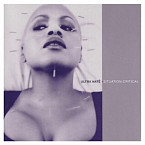
Album: Situation: Critical (1997)
Charted: 4 75
Play Video

Songfacts®:

  • "Free" is a house anthem released in 1997 that became Ultra Naté's breakthrough hit and signature song. The song is about doing your own thing and accepting others who are doing theirs.

    Speaking to DJ Mag in 2021, Naté explained: "Whenever you question what you are doing, and why you are here, having moments like that really reinforces it and speaks to the higher power. It's not just about yourself, it's about the thing you're putting out there that becomes empowering to other people."
  • The song was written by Ultra Naté in collaboration with production duo Mood II Swing (John Ciafone and Lem Springsteen). Naté's manager, Bill Coleman, suggested she work with Mood II Swing, who were known for their "tight and concrete and sonically on-point" sound. "When we got together it was just really love at first sight," Naté said.
  • "Free" became an anthem in the LGBTQ+ community, resonating with its message of personal liberation and self-acceptance. The song's universal appeal is rooted in its inclusive lyrics, as Naté explained to DJ Mag: "We just wanted something that would speak to everyone's heart and soul. Because there's something every person wants to be emancipated from in their lives, whether it's out loud or on a personal level."

    This broad message of freedom and empowerment particularly struck a chord with LGBTQ+ listeners, cementing the track's status as a Pride classic.
  • Unlike most house music tracks, "Free" starts not with a bumping beat but with a gentle guitar lick. That opening guitar section was inspired by R.E.M.'s "Losing My Religion" and played by Woody Pak, a friend of producer Lem Springsteen.
  • Naté and her production team knew they were on to something when they started working on this song. They spent many hours in the studio refining the song, trying to make a "stadium-sized" dance banger.
  • "Ultra Naté" sounds like a stage name a singer would come up with to play clubs in New York City, but that's her real name (her first and middle name - she was born Ultra Naté Wyche), and she's from Baltimore. Her mother came up with Naté after hearing the name in a commercial for Jean Naté, a line of bath and body products that was popular in the '60s.

    Ultra Naté came on the scene with her 1989 single "It's Over Now," and landed her first #1 Dance hit in 1994 with "Show Me." "Free" was a turning point in her career. After parting ways with Warner Bros. and her previous production team, the Basement Boys, she reinvented her sound with the Mood II Swing production team and moved to the house music label Strictly Rhythm. It paid off when "Free" gave her another #1 Dance hit and also crossed over to the pop chart, reaching #75 on the Hot 100.
  • In 2024, Paris Hilton reworked this song into "I'm Free," the lead single from her second album, Infinite Icon. Hilton heard "Free" at a pivotal time in her life when she was recovering from an abusive situation. The song resonated with her, leading to her reworking many years later.

Comments

Be the first to comment...

Editor's Picks

Album Cover Inspirations

Album Cover InspirationsSong Writing

Some album art was at least "inspired" by others. A look at some very similar covers.

Jim Adkins of Jimmy Eat World

Jim Adkins of Jimmy Eat WorldSongwriter Interviews

Jim talks about the impact of "The Middle" and uses a tree metaphor to describe his songwriting philosophy.

Weezer

WeezerFact or Fiction

Did Rivers Cuomo grow up on a commune? Why did they name their albums after colors? See how well you know your Weezer in this Fact or Fiction.

Wedding Bell Blues

Wedding Bell BluesSong Writing

When a song describes a wedding, it's rarely something to celebrate - with one big exception.

Eric Burdon

Eric BurdonSongwriter Interviews

The renown rock singer talks about "The House of the Rising Sun" and "Don't Let Me Be Misunderstood."

Deconstructing Doors Songs With The Author Of The Doors Examined

Deconstructing Doors Songs With The Author Of The Doors ExaminedSong Writing

Doors expert Jim Cherry, author of The Doors Examined, talks about some of their defining songs and exposes some Jim Morrison myths.