Urge Overkill

Urge Overkill Artistfacts

  • 1986-1997, 2004-
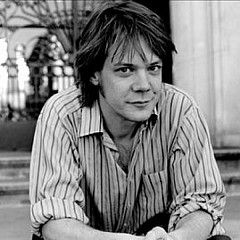
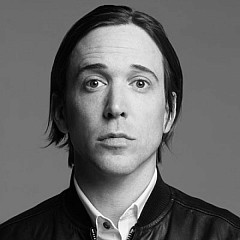
    Nash KatoVocals, guitar
    Eddie RoeserVocals, bass, guitar
    Blackie OnassisDrums1994-1995
    Brian QuastDrums2004-
    Mike HodgkissGuitar2004-
  • Urge Overkill members Nash Kato and Eddie Roeser met at Northwestern University in Chicago. The band got its name from a phrase in the Parliament song "Funkentelechy":

    Mood control is designed to render funkable
    Ideas brought to you by the makers of Mr. Prolong
    Better known as Urge Overkill
  • After opening for Nirvana on their Nevermind tour and for Pearl Jam on their Vs. tour, Urge Overkill jumped to a major label, Geffen, and released a new album called Saturation. The record featured an enormously popular cover of Neil Diamond's "Girl, You'll Be A Woman Soon," which later appeared in the 1994 film Pulp Fiction.
  • Urge Overkill's second major album was a giant flop. The record Exit the Dragon was released in 1995 but the band felt an immense amount of pressure to perform well. Drummer Blackie Onassis developed a heroin addiction and was arrested later that year.
  • Two years after drummer Blackie Onassis' departure in 1995, Urge Overkill decided to call it quits. Numerous attempts at filling in vacant drum and guitar positions had failed and the band realized that their initial run of success had ended. The band re-formed and have performed sporadically since. In 2010, they appeared on the Roast of Quentin Tarantino to honor the director that helped to make them famous.
  • In 2011, Urge Overkill members Nash Kato and Eddie Roeser claimed they lost contact with former drummer Blackie Onassis. Onassis' addiction to heroin was the central reason the band first ended in 1995. Roeser said he heard Onassis was in a couple of bands in LA after UO, but that he was not invited to be a part of Urge Overkill's reunion.
  • They coined the term "Guyville" in their song "Goodbye To Guyville" to describe the Chicago music scene of the early '90s. "There were no women in the bands, no women to talk to," King Roeser said in a Songfacts interview.

    Liz Phair, a victim of this scene, popularized the term with her 1993 album Exile In Guyville.

Comments

Be the first to comment...

Editor's Picks

Gary Brooker of Procol Harum

Gary Brooker of Procol HarumSongwriter Interviews

The lead singer and pianist for Procol Harum, Gary talks about finding the musical ideas to match the words.

Andy McClusky of OMD

Andy McClusky of OMDSongwriter Interviews

Known in America for the hit "If You Leave," OMD is a huge influence on modern electronic music.

Waiting For The Break of Day: Three Classic Songs About All-Nighters

Waiting For The Break of Day: Three Classic Songs About All-NightersSong Writing

These Three famous songs actually describe how they were written - late into the evening.

Donald Fagen

Donald FagenSongwriter Interviews

Fagen talks about how the Steely Dan songwriting strategy has changed over the years, and explains why you don't hear many covers of their songs.

Graham Nash

Graham NashSongwriter Interviews

Graham Nash tells the stories behind some of his famous songs and photos, and is asked about "yacht rock" for the first time.

Michael Sweet of Stryper

Michael Sweet of StryperSongwriter Interviews

Find out how God and glam metal go together from the Stryper frontman.