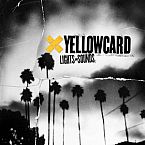
Lights And Sounds

Album: Lights And Sounds (2005)
Charted: 56 50
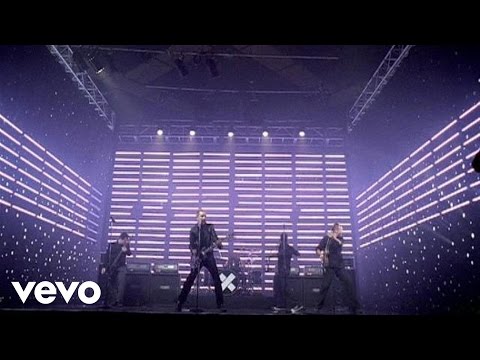
Play Video

Songfacts®:

  • Yellowcard frontman Ryan Key told MTV News this song is "about a band like us coming into a career that we didn't think we'd have. You find yourself surrounded by a lot of false people, a lot of people who are not doing it for the same reasons you are. That song is about the struggle of not giving in to that."
  • Hailing from Jacksonville, Florida, the punk-leaning Yellowcard broke into the mainstream after relocating to Los Angeles and releasing their major-label debut, Ocean Avenue, and its bouncy title track. With their followup, Lights and Sounds, the band wanted to delve into more serious issues. "As a lyricist, I go where I want to go, I wrote about things that really mattered. In the past, we've had some songs about really trivial subject matter, and there's almost none of that on this record," Key explained. "There's no brokenhearted memories of a time long gone. There's nothing even close to that. It's all pretty far removed from my typical Ocean Avenue songs."
  • Key told MTV the meaning of the following lyrics:

    They gave you the end
    But not where to start
    Not how to build
    But how to tear it apart


    He said: "I was specifically referencing bands like NOFX and Bad Religion, bands that got me into being in a band. And the concept that if a magazine says you're punk rock, you're punk rock. Like you already have the end, because you look like a punk so you sound like a punk, but no one seems to know where it all began, where it started. And I think that whole thing has torn the whole thing apart. We take pride in the fact that we've never said, 'We're punk rock.' We love the punk bands that influenced us, but by no means are we a punk rock band. So the song's about false identity and temptation."
  • The album is a sonic departure for the group, who earned the pop-punk label with their previous release, which felt a little youthful for a band trying to grow into a more mature sound. Pete Mosely, the band's bassist, explained: "We don't want to walk around and go, 'Hey, I'm in this pop-punk band called Yellowcard' for the rest of our lives. So we made a record that's not like Ocean Avenue. It's not bouncy - it's rock and roll."
  • Although Key and Mosely moved to New York City to write songs for the album, most of the tunes ended up being about their disdain for Los Angeles.
  • Prior to debuting the songs from the album in Japan, the band dismissed their lead guitarist, Ben Harper, who was spending more time away from the group while running his punk rock label, Takeover Records. He was replaced by Ryan Mendez of the band Staring Back.
  • This was a #4 hit on the Modern Rock Tracks chart.
  • This was used on the teen drama One Tree Hill in the 2005 episode "How a Resurrection Really Feels."

Comments

Be the first to comment...

Editor's Picks

Sarah Brightman

Sarah BrightmanSongwriter Interviews

One of the most popular classical vocalists in the land is lining up a trip to space, which is the inspiration for many of her songs.

Edie Brickell

Edie BrickellSongwriter Interviews

Edie Brickell on her collaborations with Paul Simon, Steve Martin and Willie Nelson, and her 2021 album with the New Bohemians.

Trucking Songs That Were #1 Hits

Trucking Songs That Were #1 HitsSong Writing

The stories behind the biggest hit songs about trucking.

Grateful Dead Characters

Grateful Dead CharactersMusic Quiz

Many unusual folks appear in Grateful Dead songs. Can you identify them?

Angelo Moore of Fishbone

Angelo Moore of FishboneSongwriter Interviews

Fishbone has always enjoyed much more acclaim than popularity - Angelo might know why.

Director Paul Rachman on "Hunger Strike," "Man in the Box," Kiss

Director Paul Rachman on "Hunger Strike," "Man in the Box," KissSong Writing

After cutting his teeth on hardcore punk videos, Paul defined the grunge look with his work on "Hunger Strike" and "Man in the Box."