
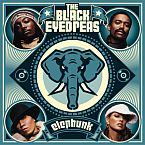
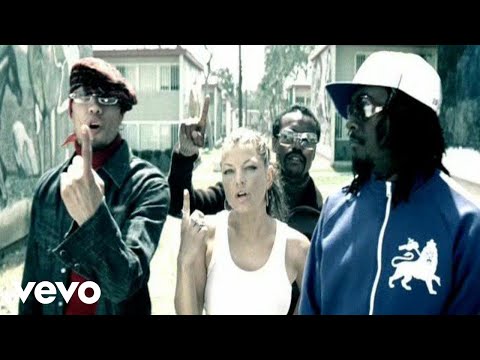
 "Where Is The Love?" has proven quite durable as an anthem of unity and healing. The song makes specific references to the political climate in 2003, but the message is universal. The group recorded a new version of the song in 2016 after the Paris bombings, and brought it to the stage in 2017 at the tribute concert for the victims of the attack at the Manchester Arena, with Ariana Grande filling in for Fergie in a moving performance that once again revived the song.
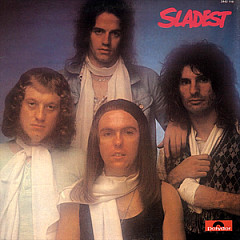
"Cum On Feel The Noise" was originally recorded by the British glam band Slade in 1973. Quiet Riot had their first hit with the song when they recorded it in 1983.
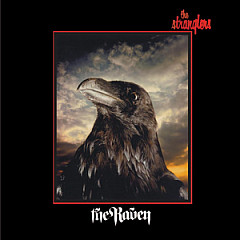
"Nuclear Device (The Wizard of Aus)" by The Stranglers was written about the then Premier of Queensland, Joh Bjelke-Petersen. His political shenanigans were observed by the band during their first tour of Australia.
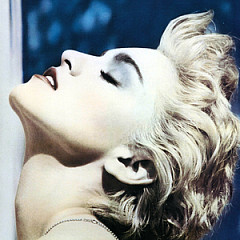
The kid in Madonna's "Open Your Heart" video became a successful songwriter. His songs include Amy Winehouse's "You Sent Me Flying" and James Blunt's "1973."
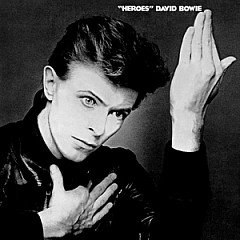
David Bowie's "Heroes" is about his producer Tony Visconti and his girlfriend, but Bowie didn't admit this until the '00s, since Visconti was married at the time.
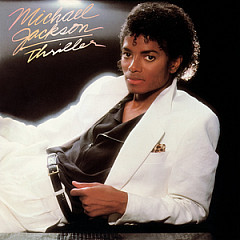
In the UK, Michael Jackson's "Thriller" returns to the chart every Halloween, a tradition started in 2007.
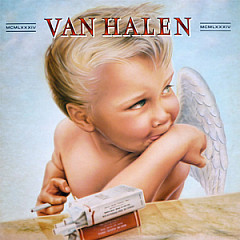
The voice of Waldo in Van Halen's "Hot For Teacher" video was the late Phil Hartman of Saturday Night Live Fame.
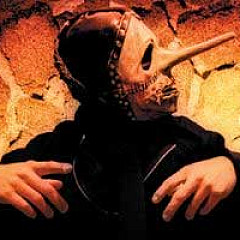
A drummer for one of the most successful metal bands of the last decade, Chris talks about what it's like writing and performing with Slipknot. Metal-neck is a factor.
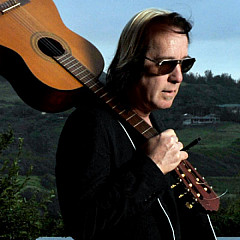
Todd Rundgren explains why he avoids "Hello It's Me," and what it was like producing Meat Loaf's Bat Out of Hell album.
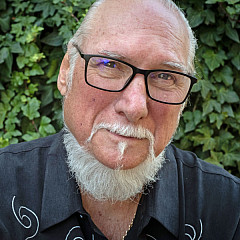
Steve Cropper on the making of "In the Midnight Hour," the chicken-wire scene in The Blues Brothers, and his 2021 album, Fire It Up.

The Canadian superstar talks about his sudden rise to fame, and tells the stories behind his hits "Sunglasses At Night," "Boy In The Box" and "Never Surrender."
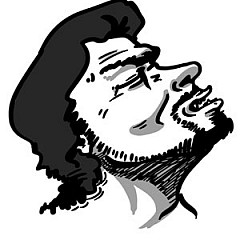
The story of the legendary lupine DJ through the songs he inspired.
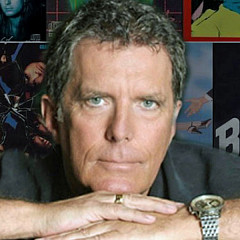
Ron Nevison explains in very clear terms the Quadrophenia concept and how Heart staged their resurgence after being dropped by their record company.