
"Dude (Looks Like A Lady)" by Aerosmith was inspired by Vince Neil from Motley Crue.

The bedrock of David Guetta's Nicki Minaj-featuring single "Hey Mama" is a sample of "Rosie," a 1940s prison recording from folk archivist Alan Lomax that songwriter Esther Dean first showed the French DJ on YouTube.
Florida Georgia Line's "Cruise" spent 24 weeks on top of the Country chart - the most ever until Sam Hunt's "Body Like a Back Road" was #1 for 34 weeks. The record was previously held by Eddy Arnold's "I'll Hold You in My Heart (1947-48), Hank Snow's "I'm Moving On" (1950-51) and Webb Pierce's "In the Jailhouse Now" (1955), which each led for 21 weeks.
In Led Zeppelin's "Fool In The Rain," the guy goes into a funk when he thinks he's been stood up, but is elated when he realizes he's been standing on the wrong corner, and it's all a terrible mess.
After a devastating car accident, the actor Montgomery Clift had to be filmed from "The Right Profile" to look good - that provided the name of The Clash song.

"Just Dance" was Lady Gaga's first hit, and it also brought the techno-synth sound that had been popular in Europe for the previous decade to the United States.

On "Life Is A Highway," his burgeoning solo career, and the Rascal Flatts song he most connects with.

On Glen's résumé: hit songwriter, Facebook dominator, and member of Styx.
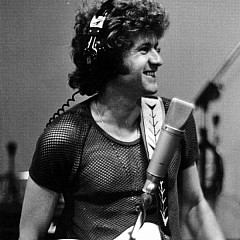
Inspired by his dear friend, "Seasons in the Sun" paid for Terry's boat, which led him away from music and into a battle with Canadian paper mills.

Songs about drugs, revolution and greed that have been used in commercials for sneakers, jeans, fast food, cruises and cars.
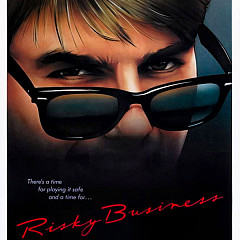
You know the scenes - Tom Cruise in his own pants-off dance off, Molly Ringwald celebrating her birthday - but do you remember what song is playing?

Keyboard great David Sancious talks about his work with Sting, Seal, Springsteen, Clapton and Aretha, and explains what quantum physics has to do with making music.