Switchblade

Album: Pylon (2026)
Play Video

Songfacts®:

  • "Switchblade" is a moody, down-tempo rock track where Beabadoobee wrestles with whether it is better to fight or simply walk away. Exploring self-defense as a way to survive, she repeatedly returns to the central question, "Do you start the fight or take the flight?"

    The song avoids easy answers, reflecting her belief that growing older does not mean having life neatly figured out. As a press release for the track notes, the song offers no clear resolutions, showing that Beabadoobee is "past the point at which she thought she could ever have everything figured out."
  • While the title refers to a spring-loaded knife designed for close-up defense, the weapon works more as a metaphor than an actual threat. When Beabadoobee repeats the line "self-defence is to be brave," she suggests that courage does not always mean standing your ground. Bravery can mean recognizing when a toxic relationship, an online feud, or a bad workplace is doing more harm than good and choosing to walk away.
  • Beabadoobee wrote the song herself and co-produced it with Jason Vance Harris. A Los Angeles-based writer, producer, and artist, Harris started performing and making music in his early teens, and at 14 he became the youngest performer to headline a stage at Jay‑Z's Made In America Festival. Harris previously collaborated with Beabadoobee on "All I Did Was Dream Of You" and "Sun Has Set." Co-producer Luca Caruso also helped shape the song's fuzzy guitars, heavy basslines, and emotionally charged alt-rock sound.

    The song came together under less-than-glamorous circumstances. "We made it in a hotel room," Beabadoobee told Apple Music's Zane Lowe. "I don't even remember what state I was in."
  • "Switchblade" was Beabadoobee's attempt to channel the music she'd loved for years into something that felt uniquely her own. "I have always loved hardcore emo and Midwest emo, and I wanted to make my own version of that," she told Zane Lowe. "I think it made sense with the sort of songs I was writing and being away. This idea of missing home and yearning for something - or someone who had changed - or struggling with accepting change has always been a thing for me. It was only fair to let that pain shine through sonically, not only lyrically."
  • Released as the second single from Pylon, "Switchblade" acts as a quiet counterpart to its lead single, "Sun Has Set." While its predecessor burns with outright anger, "Switchblade" hovers in the tense gray area between confrontation and escape. This tension reflects the broader themes of the record, which Beabadoobee described as an album about accepting that insecurity, confusion, and negative emotions will always return. Instead of pretending these feelings can be conquered forever, the track accepts them as a natural part of growing up. The song wraps this vulnerability in walls of distorted guitars, leaving us with heavy questions rather than comforting answers.

Comments

Be the first to comment...

Editor's Picks

Graham Parker

Graham ParkerSongwriter Interviews

When Judd Apatow needed under-appreciated rockers for his Knocked Up sequel, he immediately thought of Parker, who just happened to be getting his band The Rumour back together.
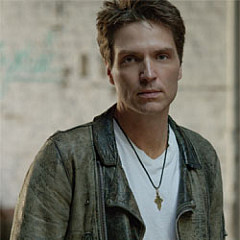
Richard Marx

Richard MarxSongwriter Interviews

Richard explains how Joe Walsh kickstarted his career, and why he chose Hazard, Nebraska for a hit.
Bob Dylan Lyric Quiz

Bob Dylan Lyric QuizMusic Quiz

Think you know your Bob Dylan lyrics? Take this quiz to find out.

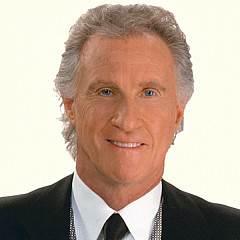
Bill Medley of The Righteous Brothers

Bill Medley of The Righteous BrothersSongwriter Interviews

Medley looks back on "Unchained Melody" and "You've Lost That Lovin' Feelin'" - his huge hits from the '60s that were later revived in movies.
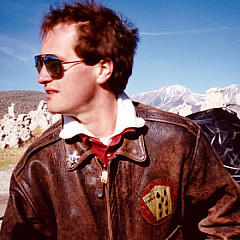
Director Nick Morris ("The Final Countdown")

Director Nick Morris ("The Final Countdown")Song Writing

Nick made some of the biggest videos on MTV, including "The Final Countdown," "Heaven" and "Don't Know What You Got (Till It's Gone)."
Lace the Music: How LSD Changed Popular Music

Lace the Music: How LSD Changed Popular MusicSong Writing

Starting in Virginia City, Nevada and rippling out to the Haight-Ashbury, LSD reshaped popular music.