Zanzibar

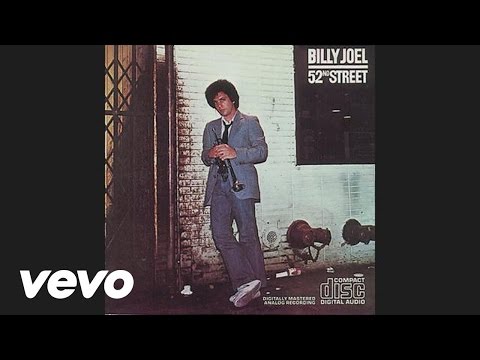
Album: 52nd Street (1978)
Play Video

Songfacts®:

  • 52nd Street, Billy Joel's sixth studio album, was named after the famous street in Manhattan that housed several jazz clubs in the '40s and '50s. Keeping with the theme, Joel wanted to write a tune about Zanzibar, the East African island where Freddie Mercury was born, because he thought it sounded like a jazzy title.

    But when Joel brought the idea to Phil Ramone, the producer said the name sounded more like a sports bar than an exotic locale. Joel ran with the idea and wrote a jazz tune about a barfly who falls in love with a waitress at a sports bar.
  • In his 2007 book Making Records: The Scenes Behind The Music, Phil Ramone explained that the tune "embodies the suave, provocative tone of the chic dance clubs that sprang up around New York City in the late 1970s."

    The song also allowed Joel to showcase his versatility by creating a jazz mood inspired by the musicians he grew up on. Ramone continued: "The theme offered us an expansive forum for experimentation; what emerged was a solid pop tune adorned with tasteful elements of hot and cool jazz. A particular highlight is the song's bridge, where the dreamy interlude (featuring keyboards and vibes) erupts into an unexpected trumpet solo by Freddie Hubbard. Underscoring the passage is a driving, ascending/descending bass line, which lends an urgency that's irresistibly sexy."
  • The smitten bar patron, who admits he's "just another face at Zanzibar," looks to sports figures like Muhammad Ali and Pete Rose to give him the courage to take a swing at romance with the waitress. The athletes were facing their own challenges at the time. Ali's career as a boxing phenom was waning and he was about to lose his World Heavyweight Championship title to Leon Spinks, while Cincinnati Reds player Rose was trying to break Joe DiMaggio's record 56-game hitting streak. In the meantime, The New York Yankees, who won the World Series in 1977 and 1978, were making all the headlines.

    After Rose's fall from grace in 1989, when he became permanently ineligible from baseball for allegedly gambling on baseball games during his time with the Reds, Joel changed the lyric "Rose, he knows he's such a credit to the game," to "Rose, he knows he'll never reach the Hall of Fame" during live performances.
  • As our Song Places entry on 52nd Street explains, there have been a number of clubs in New York City named Zanzibar (and one in Washington, D.C.), but none were the inspiration for Joel's fictional watering hole.

Comments: 2

  • John In Nh from NhIt was DEFINITELY written as "pull her panties down" but changed for the final recording. Indeed-he sometimes sings "She's gonna pull her panties down for me," live.
  • Seanfir from Collinsville IlThere's an interesting little tease in the lyrics... He sings she'll be waiting there in shantytown, She's going to pull the curtains down for me...
    Where it's alluded in the rhyme scheme, Or possibly with censored, as " She's going to pull her panties down"... I don't know which is the truth, but it was definitely alluded to in the rhyme scheme..
see more comments

Editor's Picks

Five Rockers Who Rolled With The Devil

Five Rockers Who Rolled With The DevilSong Writing

Just how much did these monsters of rock dabble in the occult?
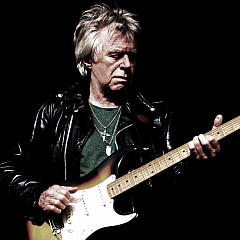
Dave Edmunds

Dave EdmundsSongwriter Interviews

A renowned guitarist and rock revivalist, Dave took "I Hear You Knocking" to the top of the UK charts and was the first to record Elvis Costello's "Girls Talk."
History Of Rock

History Of RockSong Writing

An interview with Dr. John Covach, music professor at the University of Rochester whose free online courses have become wildly popular.
David Bowie Lyrics Quiz

David Bowie Lyrics QuizMusic Quiz

How well do you know your David Bowie lyrics? Take this quiz to find out.

Ed Roland of Collective Soul

Ed Roland of Collective SoulSongwriter Interviews

The stories behind "Shine," "December," "The World I Know" and other Collective Soul hits.
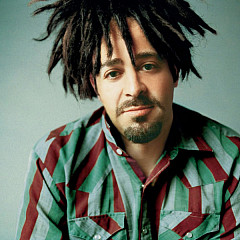
Adam Duritz of Counting Crows

Adam Duritz of Counting CrowsSongwriter Interviews

"Mr. Jones" took on new meaning when the song about a misguided view of fame made Adam famous.