I Took a Trip On A Gemini Spaceship

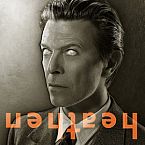
Album: Heathen (2002)
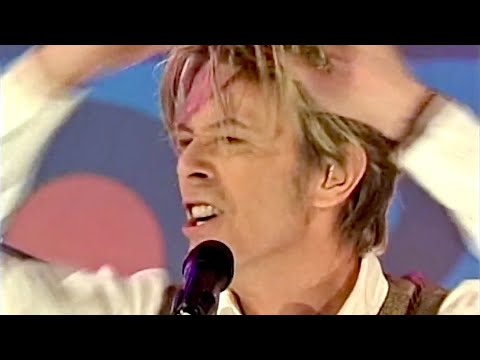
Play Video

Songfacts®:

  • Norman Carl Odam, who recorded as The Legendary Stardust Cowboy, is a Texas-born outsider musician who's ramshackle, space-obsessed rockabilly made him a cult figure and a key influence on David Bowie's Ziggy mythology. He fused two childhood fascinations - outer space and the American West - into his stage name years before David Bowie ever put on a jumpsuit and announced there was a starman waiting in the sky.

    Bowie had long acknowledged that he borrowed The Legendary Stardust Cowboy's name for "Ziggy Stardust." One way of making cosmic amends came in 2002, when Bowie recorded "I Took a Trip on a Gemini Spaceship" for his 2002 album Heathen, reviving one of the Cowboy's strangest dispatches from the void.
  • Odam's late-1960s track titled ""I Took a Trip on a Gemini Spacecraft" is a wild, off-kilter piece that mixes clattering, barely-in-time accompaniment with yelped, frequently off-pitch vocals. Lyrically it's a surreal journey through space - past Jupiter, flying saucers, and under the stars - fusing pulp sci-fi imagery with loneliness and longing. It fits with Bowie's long tradition of using space travel as a stand-in for emotional dislocation rather than NASA-approved adventure on such tracks as "Space Oddity" and "Ashes To Ashes."
  • Bowie's version keeps the bones of Odam's song but gives it a full Heathen makeover. Produced with Tony Visconti, it contains a thick, electronic-leaning groove; looped beats, filtered guitars, and processed vocals.

    There's also a generous helping of Bowie camp. Lines like "I shot my space gun" are delivered with a wink big enough to be seen from Mars, transforming cosmic naivety into sly innuendo. Bowie also uses the track to explore the lower reaches of his voice, the elongated "well" near the climax is cited as one of the deepest notes he ever committed to tape.
  • Tony Visconti explained the attraction in Uncut magazine in 2025: "We always loved far-out artists – underdogs and insane, out-of-fashion artists. The legendary Stardust Cowboy fell into that category."

    Visconti said that after he and Bowie watched Odam's 1968 debut on Rowan & Martin's Laugh-In, they bought The Legendary Stardust Cowboy's record, loved it, and when it came time to lay down the song, they reshaped it completely. "He was a lunatic," said Visconti. "The song was enchanting, but we changed the arrangement a lot, we added a breakdown in the middle when Kristeen Young sang a very high soprano part that sounds like a synthesizer – it's right at the highest notes a human voice can reach."
  • By shining a late-career spotlight on a fringe artist who never quite fit anywhere, Bowie gave the Legendary Stardust Cowboy a small renaissance, royalties, renewed interest, and even an invitation to perform at Meltdown 2002, which Bowie curated. It was a rare moment of the circle closing: the original Stardust acknowledged by the one who made the name immortal.

Comments

Be the first to comment...

Editor's Picks

Dwight Twilley

Dwight TwilleySongwriter Interviews

Since his debut single "I'm On Fire" in 1975, Dwight has been providing Spinal-Tap moments and misadventure.

Lita Ford

Lita FordSongwriter Interviews

Lita talks about how they wrote songs in The Runaways, and how she feels about her biggest hit being written by somebody else.

Best Band Logos

Best Band LogosSong Writing

Queen, Phish and The Stones are among our picks for the best band logos. Here are their histories and a design analysis from an expert.

Jimmy Jam

Jimmy JamSongwriter Interviews

The powerhouse producer behind Janet Jackson's hits talks about his Boyz II Men ballads and regrouping The Time.

Charlie Benante of Anthrax

Charlie Benante of AnthraxSongwriter Interviews

The drummer for Anthrax is also a key songwriter. He explains how the group puts their songs together and tells the stories behind some of their classics.

Adam Young of Owl City

Adam Young of Owl CitySongwriter Interviews

Is Owl City on a quest for another hit like "Fireflies?" Adam answers that question and explains the influences behind many others.