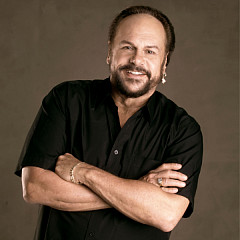
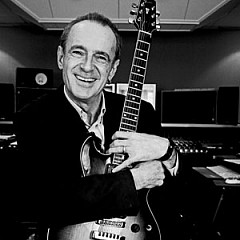
1968-1976; 1984-Rod EvansVocals1968-1969
Nick SimperBass1968-1969
Ritchie BlackmoreGuitar1968-1975; 1984-1993
Jon LordKeyboards1968-1976; 1984-2002
Ian PaiceDrums1968-1976; 1984-
Ian GillanVocals1969-1973; 1984-1989; 1993-
Roger GloverBass1969-1973; 1984-
Glenn HughesBass1973-1976
David CoverdaleVocals1973-1976
Tommy BolinGuitar1975-1976
Joe Lynn TurnerVocals1989-1993
Joe SatrianiGuitar1993-1994
Steve MorseGuitar1994-2022
Don Airey Keyboards2002-
Simon McBrideGuitar2022-
Gillan sang in a production of Jesus Christ Superstar before joining the band. His powerful vocals set the standard for the role.
During his time apart from Deep Purple, Gillan formed the predictably titled Ian Gillan Band, which released six albums between 1978 and 1982. He was also in Black Sabbath for a short time (not with Ozzy).
Glover has done session and production work for Judas Priest, Nazareth, Spencer Davis, Gillan, and Rainbow. Rainbow is the group Blackmore formed when he left Deep Purple.
After leaving Deep Purple, Coverdale went on to stardom in the '80s hair band Whitesnake.
Blackmore rejected comparisons to groups like Black Sabbath. "We don't just shower the songs with heavy chords and leave it at that," he said.
Their highest-charting album in America was
Machine Head in 1972, thanks to "
Smoke on the Water." It only reached #7, but had staying power, selling over two million copies and putting the band in the same sales league with The Who and Led Zeppelin.
Guitar virtuoso Joe Satriani has played guitar for the band on tour.
Turner started his music career in a Deep Purple cover band. After Gillan's second departure, he got a chance at the real thing. He had also been a singer for Rainbow.
Gillan was in many bands before joining Deep Purple. They include: Wainright's Gentlemen, The Moonshiners, and the Hickies.
Lord was in a band with Rolling Stones guitarist Ron Wood called The Santa Barbara Machine Head. Lord also was a member of the Artwoods. The lead singer of that group was Ron Wood's brother, Art Wood.
One of Blackmore's previous bands was called the Roman Empire, which performed wearing gladiator outfits.
Deep Purple was originally signed to the Tetragrammaton label, a US-based company owned by comedian Bill Cosby.
They adopted the Deep Purple name following a brief Scandinavian tour, immediately after which the quintet began recording their debut album, whose sound was heavily influenced by the US band Vanilla Fudge.
Bolin replaced Ritchie Blackmore, who left the band in 1975. Tommy died a year later on December 4, 1976 of a drug overdose at age 25.
They held the Guinness Book of World Records title of the Worlds Loudest Band (117 dB) in the 1975-76 edition.
>>
Suggestion credit:
Rick - Woodland, CA
Deep Purple has undergone various lineup changes labeled in "Marks." Mark II was the most successful featuring Ian Gillan as singer, Richie Blackmore as guitarist, Roger Glover on bass, Ian Paice on drums, and Jon Lord on keyboards. Ian Paice is the only original member who was with every variation of the group.
The back cover for the
Made In Japan album was a photo from a September 30, 1972 gig at the Brixton Sundown (now the Brixton O2 Academy). If you look closely, you may spot the future Def Leppard guitarist
Phil Collen in the crowd.
Original singer Evans used the Deep Purple name to play West Coast bars in the early 1980s.
The first album recorded after Gillan and Glover joined was recorded with the Royal Philharmonic Orchestra; it was a live album called Concerto for Group and Orchestra, with music composed by Jon Lord. Blackmore wasn't a fan. "I don't like rock musicians playing with classical orchestras," he told Cameron Crowe. "I thought it was stupid when we were doing it."
Deep Purple finally made the Rock and Roll Hall of Fame in 2016 - 23 years after they were first eligible. Only the first three lineups were inducted, leaving out Bolin, Turner and Morse. Blackmore skipped the ceremony because he and the current lineup couldn't come to terms on the performance.
Deep Purple took their name from Peter DeRose's 1933 ballad "
Deep Purple," a favorite of guitarist Ritchie Blackmore's grandmother. Blackmore suggested it when the band was weighing other possibilities, among them Orpheus, Concrete God, and the less-than-menacing Sugarlump. The personal connection sealed the deal.