The Celtic Soul Brothers

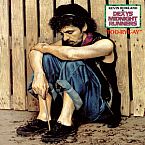
Album: Too-Rye-Ay (1982)
Charted: 20 86
Play Video

Songfacts®:

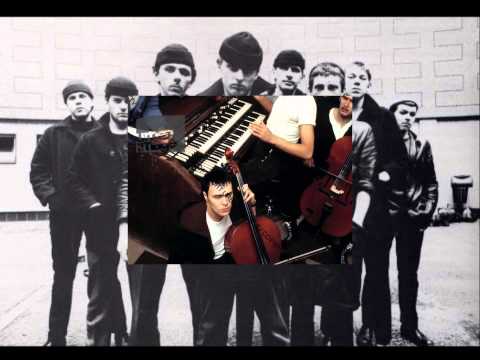
  • This song was written by Dexys lead singer Kevin Rowland along with their trombone player Jim Paterson and keyboard man Micky Billingham. The song is about the band, who had Celtic roots (Ireland and Scotland), and a love for Soul music, which they made clear in songs like "Jackie Wilson Said" and "Geno" (about the American singer Geno Washington).
  • The music phrase that dominates this song was inspired by the song "(There's) Always Something There to Remind Me," which was written by Burt Bacharach and Hal David. That song became a hit for the British singer Sandie Shaw, but it was originally recorded by an American Soul singer named Lou Johnson, putting it squarely in Dexys' range of influences.

    In our interview with Kevin Rowland, he said: "We wanted a good rhythm, so we got that. That's a great song. We often do that. We put a song on and we say, 'We want to write something as good as this.' We might use one phrase, but it's not really nicked because the chords are different, so the harmony's different. The harmony of the melody over the chord."
  • Too-Rye-Ay was the band's second album, but their first one released in America. In the UK, Dexys had seven Top 40 hits by the time this charted, but in the US, it was just their second single, following their massive hit "Come On Eileen," which rose up the ranks thanks to a video that made hot rotation on MTV.

    "The Celtic Soul Brothers" had a video, but it lacked the storyline of "Eileen" and was ignored by MTV. It got little radio support and topped out at #86 on the Hot 100, leaving the band on one-hit-wonder turf in America.
  • In the UK, this was released ahead of "Come On Eileen," but made it to just #45 on the charts. This prompted a change in marketing strategy for the band, who had declined all interviews when Too-Rye-Ay was released, choosing instead to promote the album with full-page ads explaining their reticence to do press and making their case for the album.

    When it came time to release "Eileen," the band once again accommodated journalists, resulting in some very contentious interviews with lead singer Kevin Rowland, who turned standoffish and insulting when questioned about his stage antics or raggedy attire. The interviews served their purpose, and "Eileen" became the biggest-selling single of 1982 in the UK. In its wake, "The Celtic Soul Brothers" was re-released, this time making #20.

Comments

Be the first to comment...

Editor's Picks

Does Jimmy Page Worship The Devil? A Look at Satanism in Rock

Does Jimmy Page Worship The Devil? A Look at Satanism in RockSong Writing

We ring the Hell's Bells to see what songs and rockers are sincere in their Satanism, and how much of it is an act.

Bryan Adams

Bryan AdamsSongwriter Interviews

What's the deal with "Summer of '69"? Bryan explains what the song is really about, and shares more of his songwriting insights.

Rush: Album by Album - A Conversation With Martin Popoff

Rush: Album by Album - A Conversation With Martin PopoffSong Writing

A talk with Martin Popoff about his latest book on Rush and how he assessed the thousands of albums he reviewed.

Spooner Oldham

Spooner OldhamSongwriter Interviews

His keyboard work helped define the Muscle Shoals sound and make him an integral part of many Neil Young recordings. Spooner is also an accomplished songwriter, whose hits include "I'm Your Puppet" and "Cry Like A Baby."

Gary Brooker of Procol Harum

Gary Brooker of Procol HarumSongwriter Interviews

The lead singer and pianist for Procol Harum, Gary talks about finding the musical ideas to match the words.

Who's Johnny, And Why Does He Show Up In So Many Songs

Who's Johnny, And Why Does He Show Up In So Many SongsSong Writing

For songwriters, Johnny represents the American man. He has been angry, cool, magic, a rebel and, of course, marching home.