I Got it Bad (And That Ain't Good)

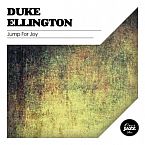
Album: Jump for Joy (1941)
Play Video

Songfacts®:

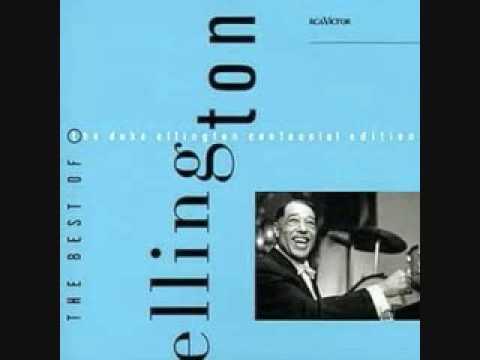
  • "I Got it Bad (And That Ain't Good) had a place in Jazz history before the October 1941 Victor recording was released. The song, which features vocalist Ivie Anderson and saxophone legend Johnny Hodges, was one of eleven written for the musical revue, Jump for Joy. Paul Francis Webster provided the lyrics and the familiar lines, "Never treats me sweet and gentle the way he should, cause I got it bad, and that ain't good."

    Jump for Joy was intended to forever put to rest the "stereotypical eyerolling, dialect, and shuffling gait" of the African American characters in the era's film and stage productions. Duke Ellington's interest and involvement in the growing Civil Rights Movement was a primary motivation for writing the show's score. The show's theme and brazen confrontation of racial discrimination caught the attention of the FBI, as did Ellington. The FBI opened a file on him and tracked his movements into the 1960s. Songs such as "Uncle Tom's Cabin Is a Drive-In Now" resulted in death threats for Ellington and one member of the cast was beaten when he left the Mayan Theater in Los Angeles. Still, Ellington said Jump for Joy "was the hippest thing we ever did."

    Jump for Joy had a very successful three-month run before closing and flirting with the prospect of being forever forgotten. It was a groundbreaking effort and Ellington stayed true to his goal of writing music that would make this audience think. "I Got It Bad" is easily a good enough song to stand on its own merits, but when considered in the context that Ellington created it, it takes on a whole new meaning for both Jazz and African American history. Typical for Ellington, though, he simply said that there are only two kind of music: good and bad. There is not much doubt which category "It Got it Bad" belongs in.
  • Ivie Anderson sang "I Got It Bad" on stage in addition to the session for the Victor recording, which many believe was her finest performance. She deviated a bit from the sheet music, which has the line "I'm glad I'm mad about him I can't live without him." Anderson sang instead, "My man and me we gin' some and sin some and then some." Her vocals, combined with the smooth alto sax of Hodges, arguably make the 1941 recording the definitive version. Thelonious Monk created his own modern Jazz interpretation of the song in 1955. Besides Monk, the lengthy list of artists to cover "I Got it Bad" includes Billie Holiday, Ella Fitzgerald, Tony Bennett, and Nat King Cole.
  • One of the observations about Ellington's early career is that the lyrics did not always live up to the quality of the music that Ellington wrote. However, "I Got It Bad" shows the positive effects of Ellington's collaboration with Paul Francis Webster. There is irony in the combination of articulate verses such as "When he's near I'm fair and warmer, when he's gone I'm cloudy with showers" with the grammatically incorrect refrain of "I got it bad and that ain't good." With each verse, Webster and Ellington make the case for why this love is probably not a good idea, but is not likely to go away anytime soon.

Comments

Be the first to comment...

Editor's Picks

Mike Love of The Beach Boys

Mike Love of The Beach BoysSongwriter Interviews

The lead singer/lyricist of The Beach Boys talks about coming up with the words for "Good Vibrations," "Fun, Fun, Fun," "Kokomo" and other classic songs.

Jim McCarty of The Yardbirds

Jim McCarty of The YardbirdsSongwriter Interviews

The Yardbirds drummer explains how they created their sound and talks about working with their famous guitarists.

American Hits With Foreign Titles

American Hits With Foreign TitlesSong Writing

What are the biggest US hits with French, Spanish (not "Rico Suave"), Italian, Scottish, Greek, and Japanese titles?

He Hit Me (And It Felt Like A Kiss): A History Of Abuse Pop

He Hit Me (And It Felt Like A Kiss): A History Of Abuse PopSong Writing

Songs that seem to glorify violence against women are often misinterpreted - but not always.

The Police

The PoliceFact or Fiction

Do their first three albums have French titles? Is "De Do Do Do, De Da Da Da" really meaningless? See if you can tell in this Fact or Fiction.

Laura Nyro

Laura NyroSongwriting Legends

Laura Nyro talks about her complex, emotionally rich songwriting and how she supports women's culture through her art.