House Of Pain

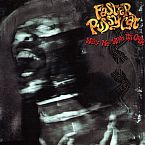
Album: Wake Me When It's Over (1989)
Charted: 28
Play Video

Songfacts®:

  • Written by Faster Pussycat frontman Taime Downe and guitarist Greg Steele, "House of Pain" is about Downe's father, who wasn't there for him:

    There's no one home
    In my house of pain


    Downe's dad was a guitar player who brought rock music into the household, which according to Taime was the only contribution his dad made to his career. Taime was named after his father (Gustave), but rejected it, going with a childhood nickname because he didn't want to give his father any credit.
  • Formed in Los Angeles in the late '80s, Faster Pussycat was part of the early Southern California hair metal scene. These bands usually proffered songs about girls and debauchery, but every now and then released a tender ballad that found a wider audience (see: "Home Sweet Home" by Mötley Crüe). This was the case with Faster Pussycat: "House of Pain" was their only pop hit, going to #28 in America and helping their second album, Wake Me When It's Over, earn Gold certification for selling 500,000 copies.
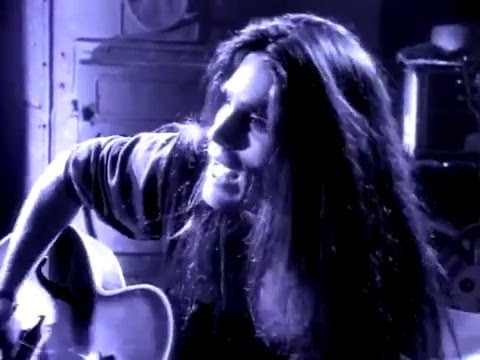
  • The song got a big boost from the video, which tugs at the heartstrings with scenes of a father walking out on his family - anyone with an absentee father could relate.

    It was directed by Michael Bay, who before directing blockbusters like Armageddon and Transformers, honed his craft on music videos. Other entries near the top of his CV include "Angelia" by Richard Marx and "I'd Do Anything For Love (But I Won't Do That)" by Meat Loaf.

    MTV gave the video lots of airplay, especially on their metal show Headbangers Ball, whose host, Riki Rachtman, later went into business with Taime Downe, opening a Hollywood club called the Cathouse.
  • Faster Pussycat formed in 1986 and broke up in 1993, with each of the band members going their separate ways into semi-obscurity. But they came along at the right time, releasing their debut album Faster Pussycat at the same time Guns N' Roses released Appetite for Destruction. The hair metal era was born!

    At their peak they toured with Alice Cooper, David Lee Roth, and Motorhead. And yes, the band is named after the 1965 exploitation film Faster, Pussycat! Kill! Kill!, which has a cult following as a campy go-go-girls-with-guns flick. It was directed by Russ Meyer, who made a whole career out of low-budget '60s exploitation flicks - some might even call him the godfather of the genre. Meyer was so fixated on casting busty women that he sometimes specifically filmed women in their first trimesters of pregnancy, just because it made their bust that much bigger. And you think Quentin Tarantino has a fetish!

    The phrase "House of Pain" also has a place in movie culture: that was where the mad scientist Dr. Moreau in Island Of Lost Souls operated on the island's beasts. Check out Devo's "Jocko Homo" to see how the movie inspired their song.

Comments

Be the first to comment...

Editor's Picks

John Waite

John WaiteSongwriter Interviews

"Missing You" was a spontaneous outpouring of emotion triggered by a phone call. John tells that story and explains what MTV meant to his career.

Charlie Daniels

Charlie DanielsSongwriter Interviews

Charlie discusses the songs that made him a Southern Rock icon, and settles the Devil vs. Johnny argument once and for all.

Barry Dean ("Pontoon," "Diamond Rings And Old Barstools")

Barry Dean ("Pontoon," "Diamond Rings And Old Barstools")Songwriter Interviews

A top country songwriter, Barry talks about writing hits for Little Big Town, Tim McGraw and Jason Aldean.

Director Nick Morris ("The Final Countdown")

Director Nick Morris ("The Final Countdown")Song Writing

Nick made some of the biggest videos on MTV, including "The Final Countdown," "Heaven" and "Don't Know What You Got (Till It's Gone)."

John Kay of Steppenwolf

John Kay of SteppenwolfSongwriter Interviews

Steppenwolf frontman John Kay talks about "Magic Carpet Ride," "Born To Be Wild," and what he values more than awards and accolades.

Supertramp founder Roger Hodgson

Supertramp founder Roger HodgsonSongwriter Interviews

Roger tells the stories behind some of his biggest hits, including "Give a Little Bit," "Take the Long Way Home" and "The Logical Song."