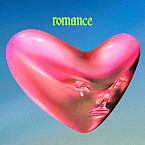
Motorcycle Boy

Album: Romance (2024)
Play Video

Songfacts®:

  • Fontaines D.C. frontman Grian Chatten drew inspiration for "Motorcycle Boy" from the 1983 film Rumble Fish. Mickey Rourke played the Motorcycle Boy.

    Rourke's character exudes rebellion and self-expression, embodying the restless yearning for a life untethered from the ordinary. The motorcycle is seen as a solitary vehicle, emphasizing themes of isolation and independence.

    "I love Rumble Fish," Chatten told Uncut magazine. "It's a really particular mood, a particular atmosphere. The desolation of it all. Like everyone else I was obsessed with Mickey Rourke. I even started walking like him when I first saw it. He grabs his sleeves and folds his arms; I used to do that for ages "
  • Matt Dillon plays the Motorcycle Boy's younger brother in Rumble Fish.

    "I have a younger brother who has recently become very interested in poetry and literature," Chatten told Humo. "I see him as the character of Matt Dillon, in the film – the younger brother of Mickey Rourke, who tries to find his way into life while his older brother is always away. I see my brother's interest in poetry and literature as his way of getting in touch with me. I wrote 'Motorcycle Boy' for him. The line 'All the life I've shown you, will own you in time' is a warning for him, since at the end, the life you live is the only life you have."
  • Chatten's voice weaves through a backdrop of acoustic guitars and '90s grunge-inspired textures, partly inspired by The Smashing Pumpkins. Recorded for their fourth album, Romance, "Motorcycle Boy" was a shift in Fontaines D.C.'s sound. Producer James Ford (Arctic Monkeys, Blur) helmed the project, bringing a stripped-down sensibility.

    "We actually recorded it six months before the rest of the album," drummer Tom Coll told Apple Music. "This tune was the real genesis of the record and us finding a path and being like, 'OK, we can explore down here...' That was one that really set the wheels in motion for the album. It really informed where we were going."
  • Several other songs have been inspired by S.E. Hinton's novel Rumble Fish and its film adaptation. Here's some notable examples:

    1992 "Motorcycle Emptiness" by Manic Street Preachers.
    Inspired by Hinton's Rumble Fish novel and the concept of biker freedom. "A six-minute song about alienation and despair," was how Wire described the song's message to BBC Wales.

    2012 "Rusty James" by Green Day
    Named after the main character of Rumble Fish. Billie Joe Armstrong described it as being about his old punk-rock scene and its survivors.

    1983 "Don't Box Me In" by Stewart Copeland and Stan Ridgway
    Featured in the Rumble Fish film soundtrack, this is a collaboration between The Police drummer Stewart Copeland and Wall of Voodoo vocalist Stan Ridgway.

Comments

Be the first to comment...

Editor's Picks

Holly Knight ("The Best," "Love Is A Battlefield")

Holly Knight ("The Best," "Love Is A Battlefield")Songwriter Interviews

Holly Knight talks about some of the hit songs she wrote, including "The Warrior," "Never" and "The Best," and explains some songwriting philosophy, including how to think of a bridge.

Maxi Priest

Maxi PriestSongwriter Interviews

The British reggae legend tells the story of his #1 hit "Close To You," talks about his groundbreaking Shabba Ranks collaboration "Housecall," and discusses his latest project with Robin Trower.

Paul Stanley of Kiss, Soul Station

Paul Stanley of Kiss, Soul StationSongwriter Interviews

Paul Stanley on his soul music project, the Kiss songs with the biggest soul influence, and the non-make-up era of the band.

Second Wind Songs

Second Wind SongsSong Writing

Some songs get a second life when they find a new audience through a movie, commercial, TV show, or even the Internet.

Bob Daisley

Bob DaisleySongwriter Interviews

Bob was the bass player and lyricist for the first two Ozzy Osbourne albums. Here's how he wrote songs like "Crazy Train" and "Mr. Crowley" with Ozzy and Randy Rhoads.

Devo

DevoSongwriter Interviews

Devo founders Mark Mothersbaugh and Jerry Casale take us into their world of subversive performance art. They may be right about the De-Evoloution thing.