

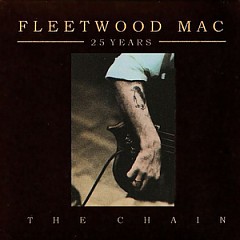
Stevie Nicks got the title for the Fleetwood Mac song "Silver Springs" from the city of Silver Spring, Maryland, but the song has nothing to do with the city - it's a message to her bandmate Lindsey Buckingham following their split.
"Stay" by Lisa Loeb was the first #1 hit by an unsigned artist. It got a boost from Ethan Hawke, who got it into a movie he starred in called Reality Bites.

"Coming Home" by Diddy - Dirty Money was originally iwritten for for T.I., who was getting out of prison at the time.
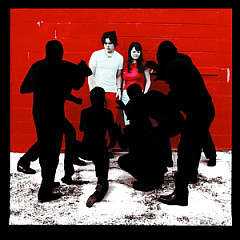
The White Stripes song "We're Going To Be Friends" is very innocent, but Jack White feared it would be interpreted cynically. It wasn't, and was even adapted into a children's book.
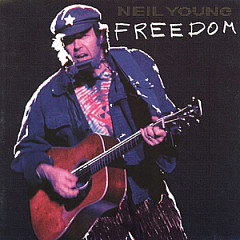
"Rockin' In The Free World" is a very pro-America title, but the song takes on politicians who are indifferent to the poor and disenfranchised.
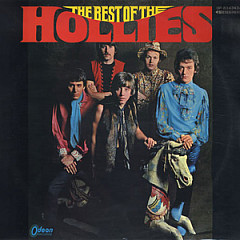
The Hollies hit "The Air That I Breathe" was written in part as a reaction to the smog in Los Angeles.
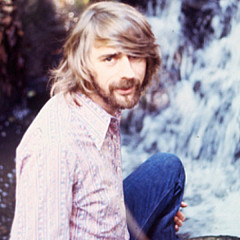
His keyboard work helped define the Muscle Shoals sound and make him an integral part of many Neil Young recordings. Spooner is also an accomplished songwriter, whose hits include "I'm Your Puppet" and "Cry Like A Baby."
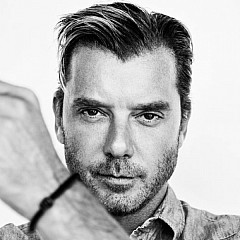
On the "schizoid element" of his lyrics, and a famous line from "Everything Zen."
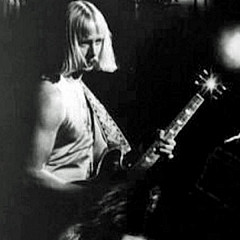
In this talk from the '80s, the Kansas frontman talks turning to God and writing "Dust In The Wind."
Songs that seem to glorify violence against women are often misinterpreted - but not always.
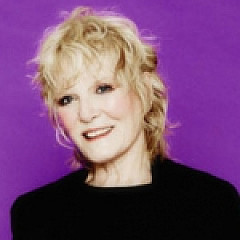
Petula talks about her hits "Downtown" and "Don't Sleep In The Subway," and explains her Michael Jackson connection.
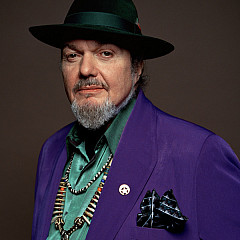
The good doctor shares some candid insights on recording with Phil Spector and The Black Keys.