
All My Ex's Live In Texas

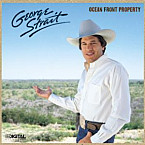
Album: Ocean Front Property (1987)
Play Video

Songfacts®:

  • In his 11th #1 hit on the Country chart, George Strait proclaims his love for his home state of Texas but explains he can never go back because he left behind a trail of broken hearts across the Lone Star State. "That's why I hang my hat in Tennessee," he laments.

    The song was written by Texas native Sanger D. "Whitey" Shafer and his fourth wife, Lyndia (his third wife, Darlene, helped him pen another Strait chart-topper: "Does Fort Worth Ever Cross Your Mind").

    "That was a fun song to write," Whitey recalled in The Billboard Book Of Number One Country Hits. "I was kinda writin' my biography. I changed the names to protect the guilty. I do have some ex's in Texas. Thank God they live down there. It's not really why I live in Tennessee, but it's a good kicker for the song."
  • Whitey had already used the rhyme ex's and Texas in a different song that was never recorded. He came up with a new variation while he was at a golf tournament and brought the idea home to his wife. Together, they brainstormed a new song with a bit of geographical help courtesy of a travel guide. Said Lyndia: "The Mobil Travel Guide and Whitey's melody, and away we went!"
  • In the original lyrics, the singer recalls how he learned to swim in the Brazos River, but Strait changed it to the Frio River, which winds through Texas Hill Country and was a familiar spot when he was growing up in nearby Poteet.
  • In the song, the only safe way Strait can travel to Texas is through Transcendental Meditation, a technique created in the 1950s by Maharishi Mahesh Yogi in India. The Beatles famously adopted the practice in the late '60s prior to recording The White Album.
  • This was the second single from Strait's seventh studio release, Ocean Front Property, the first album to debut at #1 on the Country Albums chart. With 27 chart-topping albums to his credit, Strait holds the records for the most #1s on the tally.
  • Strait performed this at the Grammy Awards in 1988, where it was nominated for Best Male Country Vocal Performance and Best Country Song. Randy Travis took home the former prize for Always & Forever, while the latter went to songwriters Paul Overstreet and Don Schlitz for Travis' "Forever And Ever, Amen."
  • Whitey Shafer recorded his own version, which was featured in the 1989 movie Road House, starring Patrick Swayze, and the TV show Ash vs Evil Dead ("The Killer Of Killers" - 2015).
  • This was also used in these TV shows:

    Halt And Catch Fire ("NeXT" - 2016)
    Chuck ("Chuck Versus The Curse" - 2011)

    And these movies:

    Bumblebee (2018)
    Power Rangers (2017)
    Cold Creek Manor (2003)
    Necessary Roughness (1991)
  • Drake referenced this in his 2012 single "HYFR": "Uh, all my exes live in Texas like I'm George Strait."
  • The title erroneously uses a possessive apostrophe ("Ex's"), implying that the song is about some unnamed thing owned by Strait's ex-girlfriends; it should read, "All My Exes Live In Texas."

Comments

Be the first to comment...

Editor's Picks

Little Big Town

Little Big TownSongwriter Interviews

"When seeds that you sow grow by the wicked moon/Be sure your sins will find you out/Your past will hunt you down and turn to tell on you."

Millie Jackson

Millie JacksonSongwriter Interviews

Outrageously gifted and just plain outrageous, Millie is an R&B and Rap innovator.

Don Dokken

Don DokkenSongwriter Interviews

Dokken frontman Don Dokken explains what broke up the band at the height of their success in the late '80s, and talks about the botched surgery that paralyzed his right arm.

Martyn Ware of Heaven 17

Martyn Ware of Heaven 17Songwriter Interviews

Martyn talks about producing Tina Turner, some Heaven 17 hits, and his work with the British Electric Foundation.

Sending Out An SOS - Distress Signals In Songs

Sending Out An SOS - Distress Signals In SongsSong Writing

Songs where something goes horribly wrong (literally or metaphorically), and help is needed right away.

John Lee Hooker

John Lee HookerSongwriter Interviews

Into the vaults for Bruce Pollock's 1984 conversation with the esteemed bluesman. Hooker talks about transforming a Tony Bennett classic and why you don't have to be sad and lonely to write the blues.