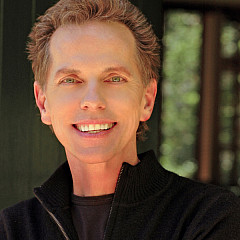
1968-1976; 1981-1983; 1996-Mark FarnerGuitar, vocals1968-1976; 1981-1983; 1996-1998
Mel SchacherBass1968-1976; 1996-
Don BrewerDrums1968-1976; 1981-1983; 1996-
Craig FrostKeyboards1972-1976
Dennis BellingerBass1981-1983
Bruce KulickGuitar, bass, keyboards2000-
Max CarlGuitar2000-
Tim CashionPercussion, piano, vocals2000-
Also known as either Grand Funk or GFR, Grand Funk Railroad were generally dismissed by critics and radio programmers, but not by the public: they sold over 20 million albums through constant touring, and frequently sold out stadiums and arenas.
They brought in Todd Rundgren to produce their albums
We're An American Band (1973) and
Shinin' On (1974). In a
Songfacts interview with Rundgren, he said: "They were already successful and they were already selling some records, but they weren't very successful on Top 40 radio and they were not very successful with the critics. So they needed to do something that was, on one hand, more accessible to what they had been doing, and on the other hand, something that would break this cycle of critical disdain.
A lot of it just had to do with the fact that they weren't writing the right kind of songs. They started out as a jam band, so they would come up with a little fragment of the song and then stretch it out really long. That kind of disqualifies you from Top 40, in a way, because the songs are too long.
But also, I think music critics just got tired of listening to the jamming. While they were a jam band they were not of the quality of, let's say, Cream or even Led Zeppelin, in that sense."
Frontman Mark Farner was a football player before an injury ended his career at age 15. He then picked up the guitar.
Don Brewer (drums) and Mark Farner met while playing with Terry Knight and the Pack; Mel Schacher (bass) was in ? And The Mysterians. Knight became GFR's manager, and was the one who came up with their name - it was a play on "Grand Trunk Railroad."
Michigan acts like Mitch Ryder & the Detroit Wheels and the MC5 earned a lot of acclaim in the '60s, but Grand Funk were the first rock band from that state to hit it big. They don't get the plaudits of the bands they eclipsed commercially: Grand Funk have never been considered for the Rock and Roll Hall of Fame, but the MC5, who were far less popular, were inducted in 2024.
In 1971, they broke the Beatles' Shea Stadium record for ticket sales. Grand Funk sold out two nights in 72 hours and made over $300,000.
Linda McCartney's father, John Eastman, was the band's attorney while they were sued by Knight after they tried to fire him.
Craig Frost and Don Brewer would later be members of Bob Seger's Silver Bullet Band. They joined at separate times, though.
Grand Funk Railroad had a few stops and starts. They broke up near the peak of their powers in 1976 (they were going to break up earlier, but stayed together because Frank Zappa wanted to produce their Good Singin', Good Playin' album.) They re-formed in 1981 without Mel Schacher, but broke up again two years later. In 1996 they regrouped with Schacher, but in 1998, Mark Farner left. They took two years off before returning with new lead singer Max Carl.
Farner saw some solo success in the late 1970s and then became a born-again Christian. His 1988 album, Just Another Injustice, went to #2 on the Religious (Inspirational) Charts.
They were signed to a record deal immediately after a set full of energy at the Atlanta Pop Festival in 1969. This was the show where Mark Farner developed his shirtless wild-man look. "I had bought this paisley print shirt, that was like a see-through paisley print," he
told Songfacts. "I thought the girls would love this stuff. I paid $50 for it. I'm in the middle of 'Land Of 1000 Dances' and I feel like I'm in a straitjacket because this material is just sticking to my sweaty body. I said, 'I gotta get this off!' And I ripped that $50 shirt off, and the audience went nuts. And I went, 'Ooh, that worked.' So that was part of the evolution of me going on shirtless with nothing but an armband on, because it worked on that very first gig. I thought if it worked then, I'm just going to keep it up, and that was part of my trademark."
The group's huge success is often attributed to the public relations expertise of manager Knight. In 1970, Knight reportedly paid $100,000 for a huge billboard in New York City's Times Square to promote the group's Closer To Home, which subsequently became their first Top 10 album, reaching number 6 and spawning the FM radio-staple title track. Knight died in 2004 when he was stabbed after trying to break up a fight between his daughter and her boyfriend.
Homer Simpson is a huge fan of Grand Funk. He says so in the 1996 "Homerpalooza" episode of The Simpsons, in which he joins the traveling music festival Hullapalooza.
Kulick has played with Kiss, Michael Bolton, Billy Squier, and Meatloaf.