

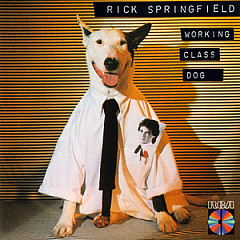
"Jessie's Girl" was the #1 song in America when MTV went on the air. They put it in hot rotation right away, making the song even more popular.
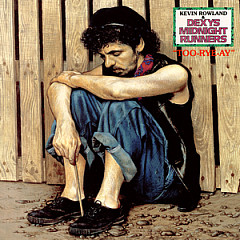
Dexys Midnight Runners' "Come on Eileen" is based on a real girl called Eileen that the band's Kevin Rowland had a relationship with in his early teenage years.
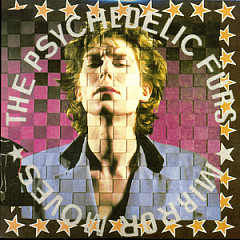
"Heaven" by The Psychedelic Furs sounds upbeat, but is about an impending nuclear bombardment.
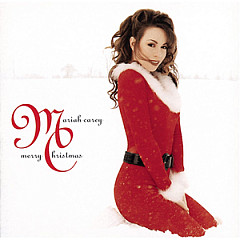
"All I Want For Christmas Is You" by Mariah Carey was the first ringtone certified Gold.
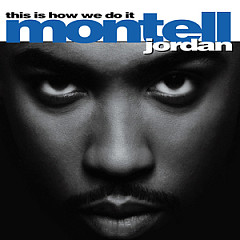
"This Is How We Do It" by Montell Jordan was the first hit to mention a designated driver in the lyric. Before he gets "faded," Montell gives the DD the keys to his truck.
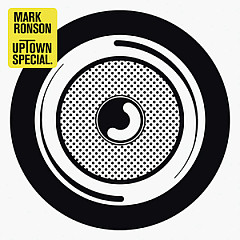
The biggest hit of 2015 was "Uptown Funk," a collaboration between Bruno Mars and guitarist/producer Mark Ronson. Ronson says making it took "six or seven months of chasing Bruno around on tour."
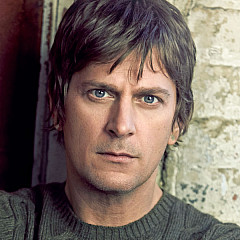
Rob Thomas on his Social Distance Sessions, co-starring with a camel, and his friendship with Carlos Santana.
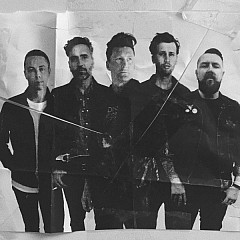
The lead singer/lyricist for Anberlin breaks down "Impossible" and covers some tracks from their 2012 album Vital.
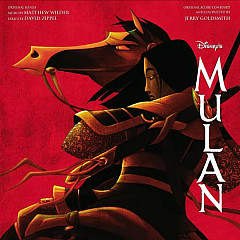
From "Some Day My Prince Will Come" to "Let It Go" - how Disney princess songs (and the women who sing them) have evolved.
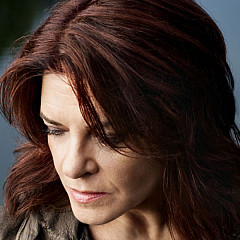
Rosanne talks about the journey that inspired her songs on her album The River & the Thread, including a stop at the Tallahatchie Bridge.
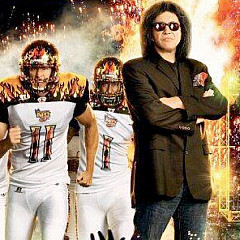
The Kiss rocker covers a lot of ground in this interview, including why there are no Kiss collaborations, and why the Rock Hall has "become a sham."
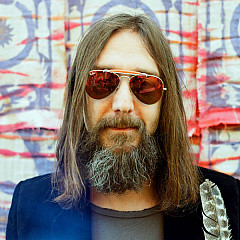
"Great songwriters don't necessarily have hit songs," says Chris. He's written a bunch, but his fans are more interested in the intricate jams.