
Hiding In Plain Sight

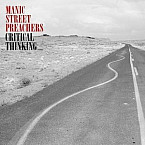
Album: Critical Thinking (2024)
Play Video

Songfacts®:

  • "Hiding In Plain Sight" pairs midlife wistfulness with an uplifting melody. The track wears its influences proudly, nodding to the shimmering '70s rock 'n' roll of The Only Ones and Cockney Rebel, and Dinosaur Jr.'s 1988 track "Freak Scene." But it's not just a nostalgia trip; it's a thoughtful exploration of self-reflection, the passage of time, and a yearning for lost freedoms.
  • The song took inspiration from a line by the poet Anne Sexton: "I am a collection of dismantled almost." The quote is found in Anne Sexton: A Self-Portrait in Letters, a collection of her correspondence and personal musings.
  • "Hiding in Plain Sight" was recorded at the Manic's own Door To The River Studio and the iconic Rockfield Studios in Monmouth. Longtime collaborators Dave Eringa and Loz Williams joined the band in production duties, with Caesar Edmunds handling the mix.
  • Bassist and lyricist Nicky Wire takes the lead vocal role rather than frontman James Dean Bradfield. Wire has occasionally taken the vocal reins before - on tracks like "Your Love Alone Is Not Enough" and "William's Last Words."
  • "Hiding in Plain Sight" is the lead single from the Manics' 15th album, Critical Thinking, which the band describes as a collision of opposites. "The music has an effervescence and an elegiac uplift," Wire explains, "but the lyrics delve into the cold analysis of the self."
  • The accompanying music video, directed by longtime collaborator Kieran Evans, serves as both a reflective journey and a celebration. Wire sifts through photos and costumes from the band's storied history, creating a visual scrapbook of their legacy while interspersing energetic performance footage.
  • Anne Sexton was a prominent American poet of the mid-20th century known for her deeply personal verse. She is considered a pioneer of confessional poetry, alongside contemporaries like Sylvia Plath and Robert Lowell. Throughout her life, Sexton battled mental illness, particularly bipolar disorder, which often informed her poetry. Like Plath, Sexton died by suicide. She was 45 when she ended her life on October 4, 1974.

    Peter Gabriel's "Mercy Street" from his 1986 album So is perhaps the most well-known song inspired by Anne Sexton. The song draws inspiration from her play Mercy Street and her poem "45 Mercy Street." Gabriel was moved by the poet's confessional style and personal struggles, incorporating themes and imagery from her work into his lyrics.
  • Nicky Wire bares his soul on "Hiding in Plain Sight," singing, "I wanna be in love with the man I used to be."

    "He wants to be a better person," James Dean Bradfield told Mojo magazine. "Which is mad because he's lived his life in an impeccable way. I think Nick writes to understand what he's feeling but I don't know if he does it too soothe himself."

Comments

Be the first to comment...

Editor's Picks

Gary Brooker of Procol Harum

Gary Brooker of Procol HarumSongwriter Interviews

The lead singer and pianist for Procol Harum, Gary talks about finding the musical ideas to match the words.

Don Felder

Don FelderSongwriter Interviews

Don breaks down "Hotel California" and other songs he wrote as a member of the Eagles. Now we know where the "warm smell of colitas" came from.

Allen Toussaint - "Southern Nights"

Allen Toussaint - "Southern Nights"They're Playing My Song

A song he wrote and recorded from "sheer spiritual inspiration," Allen's didn't think "Southern Nights" had hit potential until Glen Campbell took it to #1 two years later.

Donnie Iris (Ah! Leah!, The Rapper)

Donnie Iris (Ah! Leah!, The Rapper)Songwriter Interviews

Before "Rap" was a form of music, it was something guys did to pick up girls in nightclubs. Donnie talks about "The Rapper" and reveals the identity of Leah.

Al Kooper

Al KooperSongwriter Interviews

Kooper produced Lynyrd Skynyrd, played with Dylan and the Stones, and formed BS&T.

Emilio Castillo from Tower of Power

Emilio Castillo from Tower of PowerSongwriter Interviews

Emilio talks about what it's like to write and perform with the Tower of Power horns, and why every struggling band should have a friend like Huey Lewis.