Roll Another Number (For The Road)

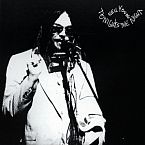
Album: Tonight's the Night (1975)
Play Video

Songfacts®:

  • This song, from Neil Young's grief-wracked album, is kind of a "goodbye and good riddance" to Woodstock Nation and all that it symbolized. Neil Young played at Woodstock with Crosby, Stills, Nash & Young, but he was distanced from hippie culture by the dual deaths of Crazy Horse guitarist Danny Whitten and Young's friend and roadie Bruce Berry, both from heroin overdoses. Thus, Young is in the same category as Frank Zappa: both were idolized by hippie culture while openly loathing it.
  • During the recording sessions for Tonight's the Night, at Studio Instrument Rentals in Los Angeles, the musicians would show up in the evening, shoot pool and drink tequila until midnight, and then start recording. Can you hear that result in this song?

    In fact, the whole album has kind of an improvised feel to it. It's full of flubbed lyrics, tilting harmonies, instruments wandering out of tune, and a kind of staggering pace. The group was deep in mourning for Whitten and Berry, who had only died months before. And you know Neil Young has never been shy about his feelings. So this album has the raw power of emotion to it, and even though it isn't a fan favorite, you can't deny that it's real. Plus, this is an excellent song to bellow when you're tripping home from the bar with your buddies.
  • Between recording and releasing the songs for Tonight's the Night, Young toured with a scheme to distance himself from the material by putting on the persona of a sleazy nightclub emcee. With his hair a mess, he'd put on a seersucker jacket, patched jeans, and shades. Then he'd introduce himself to the audience: "Welcome to Miami Beach... Everything is cheaper than it looks." The band would fill this out with plastic palm trees and wooden cigar store indians. It just made the whole scene more surreal.
  • In Neil Young: Long May You Run: The Illustrated History, Neil Young concludes, "I'm not a junkie and I won't even try it out to check out what it's like. But we all got high enough right out there on the edge where we felt wide-open to the whole mood. It was spooky. I probably felt this album more than anything else I've ever done."
  • Nils Lofgren, who later became a member of Bruce Springsteen's E Street Band, played piano on this track. Young played guitar, Billy Talbot was on bass, Ralph Molina on drums, and Ben Keith on pedal steel guitar.

Comments

Be the first to comment...

Editor's Picks

Donnie Iris (Ah! Leah!, The Rapper)

Donnie Iris (Ah! Leah!, The Rapper)Songwriter Interviews

Before "Rap" was a form of music, it was something guys did to pick up girls in nightclubs. Donnie talks about "The Rapper" and reveals the identity of Leah.

David Bowie Leads the Society for Prevention of Cruelty to Long-Haired Men

David Bowie Leads the Society for Prevention of Cruelty to Long-Haired MenSong Writing

Bowie's "activist" days of 1964 led to Ziggy Stardust.

Bob Daisley

Bob DaisleySongwriter Interviews

Bob was the bass player and lyricist for the first two Ozzy Osbourne albums. Here's how he wrote songs like "Crazy Train" and "Mr. Crowley" with Ozzy and Randy Rhoads.

La La Brooks of The Crystals

La La Brooks of The CrystalsSong Writing

The lead singer on "Da Doo Ron Ron" and "Then He Kissed Me," La La explains how and why Phil Spector replaced The Crystals with Darlene Love on "He's A Rebel."

Randy Houser

Randy HouserSongwriter Interviews

The "How Country Feels" singer talks Skynyrd and songwriting.

Laura Nyro

Laura NyroSongwriting Legends

Laura Nyro talks about her complex, emotionally rich songwriting and how she supports women's culture through her art.