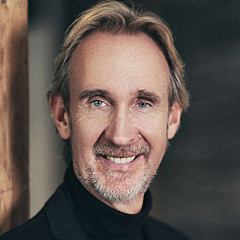
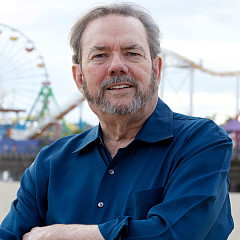
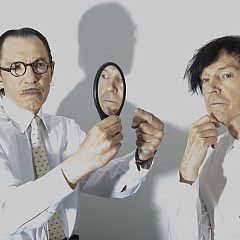
1989-Simon FowlerVocals, guitar1989-
Steve CradockGuitar1989-
Damon MinchellaBass1989–2003
Oscar HarrisonDrums, keys1989-
Dan SealeyBass, guitar2003-2015
Andy BennettGuitar2004-2015
Ray MeadeBass2016-
Ocean Colour Scene formed in 1989, several years before Britpop hardened into a media tag rather than a loose collection of guitar bands. The group grew out of an earlier outfit called The Fanatics, which included drummer Oscar Harrison, bassist Damon Minchella, and singer Simon Fowler.
"Oscar, Damon and myself were in a band called The Fanatics,"
Fowler told Songwriting magazine. "Oscar was only in it for a few months, then we disbanded and Steve [Cradock] joined. I'd known Steve for five or six years, probably longer. He was in other bands around our area, and we became drinking friends."
After Cradock joined the band, they signed a deal with John Mostyn, the Birmingham-based manager behind Fine Young Cannibals, Alison Moyet, and The Beat. "In the '80s, he was kind of Mr. Birmingham," Fowler said. "He set up a label, so the deal was waiting for us."
The name Ocean Colour Scene was chosen simply by browsing library books and combining words the band liked; no symbolism, just something that sounded right. "We didn't want it to be 'The something,' because we thought that was too retro," Steve Cradock said on The Leona Graham Podcast. "And then also there's a lot of bands around, like Blur and Pulp with just sort of monosyllabic names and so we didn't wanna go that way either."
So, the band spent a week in Solihull Library. "We were going through all of the film books - the film guide books - looking for names in there," Cradock added, "and it took us a week and then we just sat on it because it didn't sound like anything else."
Their debut single, "Sway" (1990), was released in September 1990, and the band were initially grouped with the Madchester and baggy scene. In hindsight, they felt that association hurt them. The label remixed their self-titled debut album trying to chase trends, but it flopped, leaving the band broke and briefly back on the dole.
"We started recording the first album with Jimmy Miller, who was the Rolling Stones producer from '67 through to '74," Fowler told Songwriting Magazine. "Basically, it didn't really work out with him, so it was re-recorded. By the time it came out, we weren't interested in it; everyone else was into Nirvana."
Ocean Colour Scene retreated to Birmingham, where they effectively relearned how to be a band. Fowler spent his days and nights writing while the group workshopped ideas in the studio. "I'd take my songs in, Steve or Damon might have musical ideas, and Oscar would come up with piano or drum parts," he said.
1993 was a landmark year: Paul Weller brought Ocean Colour Scene on tour, and Steve Cradock officially joined Weller's lineup. Since then, Cradock has maintained a constant presence on every Weller solo record. The steady income from Weller-related work helped keep the band's Moseley Shoals studio afloat during their wilderness years. Weller also became their most influential ally, playing on several tracks and opening doors at radio and television.
In 1995, Noel Gallagher heard a demo and asked Ocean Colour Scene to support Oasis, which helped them secure a major-label deal with MCA. Their real breakthrough followed in 1996 when Radio 1 DJ Chris Evans championed "
The Riverboat Song," made it Single of the Week, and used it as the walk-on music for his TV show,
TFI Friday. Without Evans' backing, the track might have remained a cult favorite rather than a mainstream hit.
Ocean Colour Scene enjoyed a strong run of singles in 1996 and 1997: "You've Got It Bad," "The Day We Caught the Train," "The Circle," "Hundred Mile City," "Traveller's Tune," and "Better Day" all landed in the UK Top 10.
They named their breakthrough album Moseley Shoals after Moseley, a leafy Birmingham suburb. The "shoals" part adds atmosphere, but the reference is firmly to home turf rather than the sea.
Musically, the band draws as much from American soul, blues, and R&B as from British influences like The Who and Small Faces. That blend explains why songs like "The Riverboat Song" feel closer to groove-based club instrumentals than conventional indie anthems.