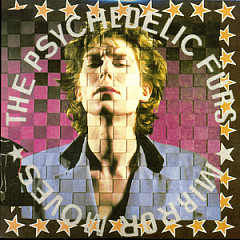
"Heaven" by The Psychedelic Furs sounds upbeat, but is about an impending nuclear bombardment.
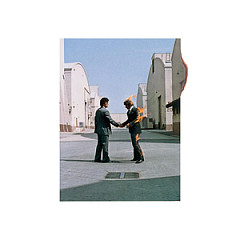
Pink Floyd's "Shine On You Crazy Diamond" is about their founding member Syd Barrett, who became an acid casualty. Notice the S-Y-D in the title.
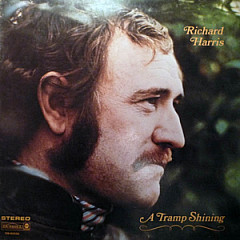
Richard Harris, who played Professor Dumbledore in the first two Harry Potter movies, had a hit in 1968 with "MacArthur Park."
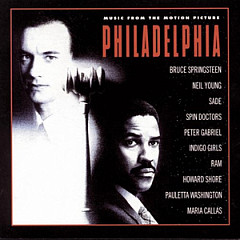
Bruce Springsteen's "Streets Of Philadelphia" won the Oscar for Best Original Song in 1994, beating out Neil Young's "Philadelphia," which was also written for the movie Philadelphia.
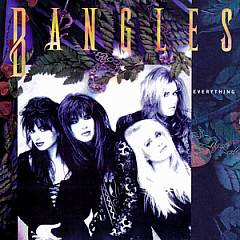
The Bangles song "Eternal Flame" was inspired by a display at Graceland that honored Elvis Presley.
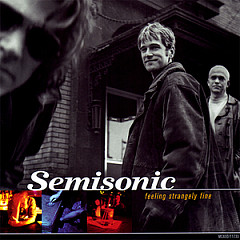
"Closing Time" by Semisonic was written by the lead singer when his wife was pregnant. Some of the lyrics are about being born.
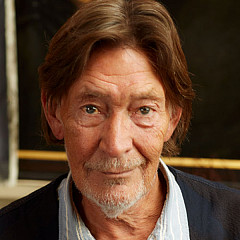
It took him seven years to recover from his American hit "Fool (If You Think It's Over)," but Chris Rea became one of the top singer-songwriters in his native UK.
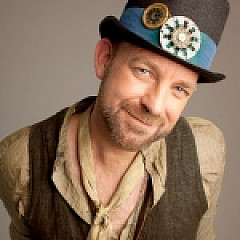
Kristian talks songwriting technique, like how the chorus should redefine the story, and how to write a song backwards.
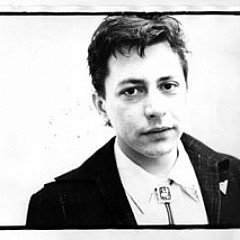
The renown Texas songwriter has been at it for 40 years, with tales to tell about The Flatlanders and The Clash - that's Joe's Tex-Mex on "Should I Stay or Should I Go?"
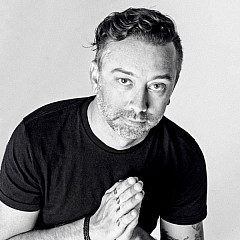
Rise Against frontman Tim McIlrath explains the meanings behind some of their biggest songs and names the sci-fi books that have influenced him.
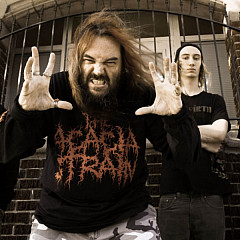
The Brazilian rocker sees pictures in his riffs. When he came up with one of his gnarliest songs, there was a riot going on.