Take Me To The Mardi Gras

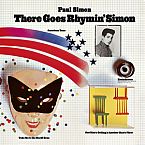
Album: There Goes Rhymin' Simon (1973)
Charted: 7
Play Video

Songfacts®:

  • A Top 10 hit in the UK, this is one of Paul Simon's lesser-known songs in America. He says it's "a nice song that I don't think got much notice."

    The song is about a spiritually cleansing trip to New Orleans, home of the famous Mardi Gras festival. It's a place free from judgment, where your troubles melt away while you dance in your summer clothes.
  • Simon went to Muscle Shoals Sound Studios in Sheffield, Alabama to record this song. The four owners of the studio were also the house band: Barry Beckett (keyboards), Roger Hawkins (drums), David Hood (bass), and Jimmy Johnson (guitar). They were renown for playing on records by Aretha Franklin, Etta James, The Staple Singers and many other popular artists willing to take the trip to northern Alabama. The Muscle Shoals rhythm section was very efficient, but Paul Simon had a very deliberate recording style - this is a man who insisted on recording vocal in a church to get just the right sound on "The Boxer." Simon booked four days of studio time to record "Mardi Gras," but 30 minutes and two takes later, they were done. David Hood told us: "He's got all this time left over, and he's not going to pay four days' worth of studio time for one song. So he says, 'What else can we record?' So he sits and plays and we tape 'Kodachrome' and a few other things. He was amazed, because he's always taken so long recording things. He couldn't believe that we were able to get something that quickly. But we had our thing down to a real science by the time we started working with him, because we had done so much stuff, we could make a chord chart and get you a really good track in one or two takes. Songs we'd never heard before, we could do that.

    So he was thrilled with that. But then he got us to come to New York and record 'Still Crazy After All These Years.' When he was in our environment down here, things worked the way we wanted them to work. In New York, we were in his territory and he spent a whole day just working on the intro of that song, while I sat there making double scale."
  • The falsetto backup voice on this song belongs to Claude Jeter, a gospel singer who was a member of a group called the Swan Silverstones. The Simon & Garfunkel song "Bridge Over Troubled Water" was partially inspired by a Swan Silvertones song called "Oh Mary, Don't You Weep," where Jeter sang about a "bridge over deep water."
  • Despite being about New Orleans and Mardi Gras, this song doesn't incorporate the sound of the area until the end, when we hear about 30 seconds of horns played by the Onward Brass Band of New Orleans.
  • The line, "You can jingle to the beat of Jelly Roll" is a reference to the acclaimed New Orleans jazz musician Jelly Roll Morton.

Comments

Be the first to comment...

Editor's Picks

Andrew Farriss of INXS

Andrew Farriss of INXSSongwriter Interviews

Andrew Farriss on writing with Michael Hutchence, the stories behind "Mystify" and other INXS hits, and his country-flavored debut solo album.
Jethro Tull

Jethro TullFact or Fiction

Stage urinals, flute devices, and the real Aqualung in this Fact or Fiction.
Songs in Famous Movie Scenes: Tarantino Edition

Songs in Famous Movie Scenes: Tarantino EditionMusic Quiz

Whether he's splitting ears or burning Nazis, Quentin Tarantino uses memorable music in his films. See if you can match the song to the scene.
Mike Rutherford (Genesis, Mike + The Mechanics)

Mike Rutherford (Genesis, Mike + The Mechanics)Songwriter Interviews

Mike Rutherford talks about the "Silent Running" storyline and "Land Of Confusion" in the age of Trump.
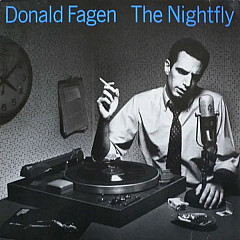
Donald Fagen

Donald FagenSongwriter Interviews

Fagen talks about how the Steely Dan songwriting strategy has changed over the years, and explains why you don't hear many covers of their songs.

Soul Train Stories with Stephen McMillian

Soul Train Stories with Stephen McMillianSong Writing

A Soul Train dancer takes us through a day on the show, and explains what you had to do to get camera time.