The Bogus Man

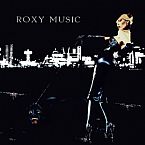
Album: For Your Pleasure (1973)
Play Video

Songfacts®:

  • With a runtime of over nine minutes, "The Bogus Man" forms the centerpiece of Roxy Music's sophomore album, For Your Pleasure. Bringing together frontman Bryan Ferry's deadpan vocals and a stomping beat, it tells the story of an evil being spreading fear and terror through the streets:

    The bogus man is on his way
    As fast as he can run
    He's tired but he'll get to you
    And shoot you with his gun
  • Speaking to The Guardian in 2022, Ferry listed this among Roxy Music's most underappreciated songs:

    "Sometimes less obvious songs get overshadowed. I thought the opening, title track of Manifesto [1979] – with Alan Spenner playing great bass – was very strong. I'd done The Bride Stripped Bare [1978] with American musicians and was disappointed with how it was received. Punk had happened and I felt out of step, so I wanted to come back more in tune with what was happening. 'Sentimental Fool' [from Siren, 1975] and 'The Bogus Man' are also out-on-a-limb tracks that never got played on the radio, but are great if people have the time to listen."
  • "The Bogus Man" is mostly instrumental, with synthesizer player Brian Eno overseeing much of the song's improvisational lurch. In an interview with Sounds in 1973, Eno recalled the writing and recording process:

    "We had an undeveloped idea of making something that had a sinister feeling to it, but with that being an undertone with a fairly happy-sounding riff; it was just meant to sound uneasy. But the problem until about a week before we did the album was that it was tending to sound a bit 'let's do something sinister,' very forced. Then Paul [Thompson, drums] started playing this kind of reggae beat to it, a very bland sort of thing, and John Porter [bass] joined in, which put a totally different face on it, and it gradually developed parts that were completely incongruous but worked because they were held together by sheer willpower. Andy [Mackay, saxophone] was playing a kind of atonal saxophone part that had nothing particularly to do with the song – the same 12 notes over and over again in different times and inversions, a kind of Schoenburgian thing of all the possible ways of arranging 12 notes. I played a thing on synthesizer that was derived from the sound of a steel band, and Phil [Manzanera, guitar] played a very simple thing based on echo guitar, repeated. All the elements are very strange but they do work together to give this feeling of something very uneasy proceeding in a direction it's not quite sure of. For me it's probably the most successful track because it's the one on which the band is most obviously working together, and it's also got a lot of discipline."
  • This song was inspired by the German experimental band CAN. Formed in Cologne in 1968, the krautrock pioneers also count Radiohead, Kanye West, and Oasis among their fans. Eno told NME in 1977: "'The Bogus Man' was almost like some of the things CAN was doing at the time – you know, open-ended, improvisatory, and not just thoroughly rehearsed performances with bits for the band to fiddle around in."
  • The British ska band Madness based their 1981 hit single "Grey Day" on "The Bogus Man." Founding member and saxophonist Lee Thompson detailed in the 2019 biography Before We Was We: Madness by Madness: "We played it a lot. It was just a track that was different; wasn't a commercial track for sure. 'The Bogus Man' was dark and moody and, later, we used to learn our dance moves to that song."
  • For Your Pleasure peaked at #4 in the UK in 1973 and has since gained much critical acclaim. Rolling Stone ranked it #351 on their "500 Greatest Albums of All Time" list, while The Smiths frontman Morrissey told The Observer that For Your Pleasure was the "one truly great British album."

Comments

Be the first to comment...

Editor's Picks

Trans Soul Rebels: Songs About Transgenderism

Trans Soul Rebels: Songs About TransgenderismSong Writing

A history of songs dealing with transgender issues, featuring Pink Floyd, David Bowie, Morrissey and Green Day.

Melanie

MelanieSongwriter Interviews

The singer-songwriter Melanie talks about her spiritual awakening at Woodstock, "Brand New Key," and why songwriting is an art, not a craft.

90210 to Buffy to Glee: How Songs Transformed TV

90210 to Buffy to Glee: How Songs Transformed TVSong Writing

Shows like Dawson's Creek, Grey's Anatomy and Buffy the Vampire Slayer changed the way songs were heard on TV, and produced some hits in the process.

Robert DeLeo of Stone Temple Pilots

Robert DeLeo of Stone Temple PilotsSongwriter Interviews

Stone Temple Pilots bass player Robert DeLeo names the songs that have most connected with fans and tells the stories behind tracks from their Tiny Music album.

Matthew Wilder - "Break My Stride"

Matthew Wilder - "Break My Stride"They're Playing My Song

Wilder's hit "Break My Stride" had an unlikely inspiration: a famous record mogul who rejected it.

David Sancious

David SanciousSongwriter Interviews

Keyboard great David Sancious talks about his work with Sting, Seal, Springsteen, Clapton and Aretha, and explains what quantum physics has to do with making music.