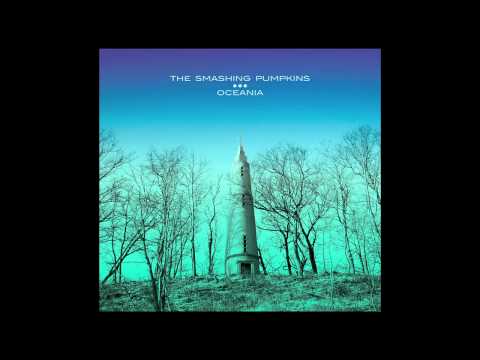
Album: Oceania (2012)
Play Video

Songfacts®:

  • Smashing Pumpkins open their ninth studio album, Oceania, with this upbeat number. Speaking with Music Radar, drummer Mike Byrne said it has a very "Led Zeppelin-vibe." "At the beginning of the record we have a real one-two punch with real furious drumming," he explained. "We [have] a song called 'Quaser,' which has flam fives all over the thing. We spent all night honing the parts and didn't do a single take, just ironing out every fill.

    The next day we came in and did the check your tones take," he continued, "and by the time I was finished they called me into the control room and we'd done it on the first take. That was the happiest surprise of the three weeks."
  • The riff had been lying around for a while. Frontman Billy Corgan told Music Radar: "Actually, I think it went back to when I started working with Mike Byrne in 2009. The original riff was called 'Nero Riff-O.' So it sat around for a long time, and I was finally able to turn it into a song.

    It's a little bit of what I used to do, even in terms of process," he continued. "The way I wrote when I first got into rock was, I'd write these crazy riffs and time signatures, and then I'd sit there and think, OK, what the hell am I going to sing over this? It was a way of working backwards."
  • The song's opening lyrics find Corgan referencing the Judeo-Christianity God and the Hindu deity Krishna, as well as "Yod, He, Vau, He," which are a Hebrew phrase known as the tetragrammaton, that approximates the father, mother, son and daughter. Corgan incorporates elements of Catholicism and Buddhism into his own spiritual philosophy. Though he has not publicly aligned himself with any one faith, he has said he prays to be able to see through Christ's eyes and feel with his heart at the beginning and the end of the day.
  • Corgan explained to NME that Oceania is structured around the tarot (those ancient playing cards that users claim can predict the future). "It's what's called the hero's journey or the fool's journey," he said. "You start from a place of innocence and you're happy. The first card of the tarot is the Fool, and the Fool is standing on a cliff, and he's like, 'La la, life is wonderful.'"
  • Corgan described this riff-based cut to Artist Direct as, "obviously a song," but "also a 'thing.' 'Whole Lotta Love' is a 'thing' built around a riff," he continued. "Sometimes, those riffs work, and other times they don't."

Comments

Be the first to comment...

Editor's Picks

Steely Dan

Steely DanFact or Fiction

Did they really trade their guitarist to The Doobie Brothers? Are they named after something naughty? And what's up with the band name?
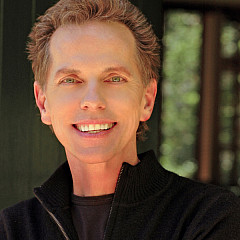
Dean Pitchford

Dean PitchfordSongwriter Interviews

Dean wrote the screenplay and lyrics to all the songs in Footloose. His other hits include "Fame" and "All The Man That I Need."
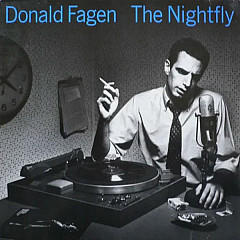
Donald Fagen

Donald FagenSongwriter Interviews

Fagen talks about how the Steely Dan songwriting strategy has changed over the years, and explains why you don't hear many covers of their songs.
Peter Lord

Peter LordSongwriter Interviews

You may not recognize his name, but you will certainly recognize Peter Lord's songs. He wrote the bevy of hits from Paula Abdul's second album, Spellbound.
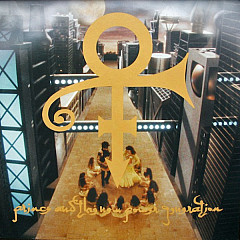
Evolution Of The Prince Symbol

Evolution Of The Prince SymbolSong Writing

The evolution of the symbol that was Prince's name from 1993-2000.
Five Rockers Who Rolled With The Devil

Five Rockers Who Rolled With The DevilSong Writing

Just how much did these monsters of rock dabble in the occult?