Murder Was The Case

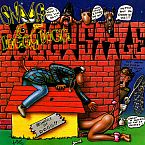
Album: Doggystyle (1993)
Play Video

Songfacts®:

  • Murder really was the case for Snoop Dogg, who before releasing this song on his debut album Doggystyle was charged in the murder of a gang member named Philip Woldemariam. Snoop didn't pull the trigger: He was driving a Jeep with his bodyguard McKinley Lee in the passenger seat when they drove up to confront Woldemariam, who was eating some Mexican food with friends. After a verbal altercation, Lee stood up in the Jeep and shot Woldemariam, killing him.

    Lee and Snoop were both charged with murder and freed on bail posted by Snoop's label, Death Row. This song isn't specifically about the case, with Snoop Dogg envisioning himself as a shooting victim who awakes from a coma, only to then commit a crime and get murdered in prison. The guy in the song gets a second chance and blows it, a mistake Snoop doesn't want to make in real life.

    In 1996, with help from their lawyer Johnnie Cochran, both Lee and Snoop were found not guilty. Snoop heeded his own warning, adapting his lifestyle to steer clear of anything that could get him killed or thrown in jail.
  • The line "murder was the case" comes from a Snoop Dogg verse on the Dr. Dre song "Lil' Ghetto Boy," released on his album The Chronic about a year earlier, before Snoop's real murder charges. Snoop's guest spots on the album were his introduction to most listeners, and Dre was instrumental in his solo career, producing the Doggystyle album.
  • The rapper Daz Dillinger appears on this track, portraying the Devil and tempting Snoop Dogg.
  • In 1995, Snoop Dogg expanded this song into a short film directed by Dr. Dre and starring Charlie Murphy (Eddie's brother) alongside Snoop. The movie runs just 18 minutes, but the soundtrack album, released in 1994, is full-length and features other artists, notably Dr. Dre and Ice Cube on the track "Natural Born Killaz."
  • The original version of this song, released on the Doggystyle album, runs 3:38 and is subtitled "Death After Visualizing Eternity." This one opens with the sounds of Snoop getting shot by rivals. A radio remix running 4:12 was released as a single. This one has clean lyrics and opens with reporters broadcasting news of the shooting. This is the version used in the video and on the Murder Was The Case soundtrack.
  • Snoop Dogg wrote this song with Dr. Dre, Warren G, Daz Dillinger and Rajal Trawick.
  • Snoop performed this song with a full gospel choir at the 1994 MTV Video Music Awards, ending the song by declaring, "I'm innocent," a reference to the murder charges he was facing. He picked up the award for Best Rap Video for "Doggy Dogg World" at the ceremony.
  • The main sample comes from "Fried Neck Bones And Some Home Fries," a song recorded live by Santana at the Woodstock festival in 1969.

Comments: 1

  • Open Your EyesThis song is about Snoop selling his soul
see more comments

Editor's Picks

Yoko Ono

Yoko OnoSongwriter Interviews

At 80 years old, Yoko has 10 #1 Dance hits. She discusses some of her songs and explains what inspired John Lennon's return to music in 1980.

Petula Clark

Petula ClarkSongwriter Interviews

Petula talks about her hits "Downtown" and "Don't Sleep In The Subway," and explains her Michael Jackson connection.
Terry Jacks ("Seasons in the Sun")

Terry Jacks ("Seasons in the Sun")Songwriter Interviews

Inspired by his dear friend, "Seasons in the Sun" paid for Terry's boat, which led him away from music and into a battle with Canadian paper mills.
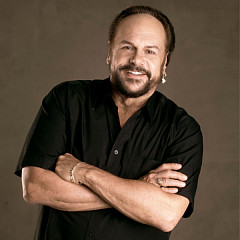
Harry Wayne Casey of KC and The Sunshine Band

Harry Wayne Casey of KC and The Sunshine BandSongwriter Interviews

Harry Wayne Casey tells the stories behind KC and The Sunshine Band hits like "Get Down Tonight," "That's The Way (I Like It)," and "Give It Up."
Glen Phillips of Toad the Wet Sprocket

Glen Phillips of Toad the Wet SprocketSongwriter Interviews

The "All I Want" singer went through a long depression, playing some shows when he didn't want to be alive.
Kerry Livgren of Kansas

Kerry Livgren of KansasSongwriter Interviews

In this talk from the '80s, the Kansas frontman talks turning to God and writing "Dust In The Wind."