The Downtown Lights

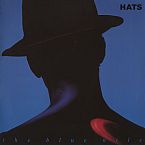
Album: Hats (1989)
Charted: 67
Play Video

Songfacts®:

  • The Blue Nile's "Downtown Lights" is a slow-burn meditation on the soul-crushing loneliness that can fester beneath the bright lights of the big city. Frontman Paul Buchanan sings of a world awash in cigarette smoke and flickering streetlights. We see rented rooms, crowded streets, empty bars, and forlorn figures huddled in stairwells seeking solace in the shadows. It's a scene straight out of a late-night film noir, thick with a sense of longing and disillusionment.
  • The song uses the "downtown lights" as a powerful metaphor. These aren't symbols of excitement or opportunity – they're a double-edged sword. They offer a glimmer of hope, a promise of connection in the urban sprawl. But their harsh, artificial glow can also feel cold and indifferent, a constant reminder of the isolation that can grip you even in a crowded city.

    In the first verse, Buchanan finds a strange beauty in the downtown lights. They're a source of comfort amid the chaos, a beacon in the storm of their own desolation. But as the song progresses, the mood shifts. The lights become detached, almost mocking the loneliness they illuminate. Empty streets stretch out beneath their unblinking gaze, a stark reminder of the disconnection that lurks beneath the city's surface.

    By the third verse, there's a flicker of warmth. The lights become a friendly presence, casting a glow on the quiet intimacy of the lovers. But even here, there's a sense of impermanence, a fragility to the connection.
  • Released on September 11, 1989, as the lead single from their second studio album Hats, "The Downtown Lights" landed at a modest #67 in the UK. Across the pond, it found a niche on Billboard's Modern Rock Tracks (now Alternative Airplay), peaking at #10. It was the only US chart entry for The Blue Nile, but its influence has reverberated through the years and it has remained a fan favorite.
  • The album Hats explores the highs and lows of romantic love. It received rave reviews, including a rare five-star rating from Q magazine.
  • Two different Scottish singers covered the song in 1995: Annie Lennox on her second solo album Medusa, and Rod Stewart on his 17th studio album A Spanner in the Works.
  • In 2016 the 1975's lead singer Matty Healy declared Hats his favorite album of the 1980s. Two years later, The 1975 released "Love It If We Made It," a song that bore a striking resemblance to "The Downtown Lights."

    Healy wasn't shy about the inspiration. "I wanted to reference that song," he told Entertainment Weekly." I didn't want to hide away from referencing it. I wanted it to be f---ing obvious to people that know."
  • In 2024, Taylor Swift, rumored to have once dated Healy, released "Guilty As Sin?" on her album The Tortured Poets Department. The song opens and closes with a cryptic lyric about someone sending her "The Downtown Lights." That someone is believed to be Healy.

Comments

Be the first to comment...

Editor's Picks

Who Did It First?

Who Did It First?Music Quiz

Do you know who recorded the original versions of these ten hit songs?

Mick Jones of Foreigner

Mick Jones of ForeignerSongwriter Interviews

Foreigner's songwriter/guitarist tells the stories behind the songs "Juke Box Hero," "I Want To Know What Love Is," and many more.

Vince Clarke

Vince ClarkeSongwriter Interviews

An original member of Depeche Mode, Vince went on to form Erasure and Yaz.

Martin Page

Martin PageSongwriter Interviews

With Bernie Taupin, Martin co-wrote the #1 hits "We Built This City" and "These Dreams." After writing the Pretty Woman song for Go West, he had his own hit with "In the House of Stone and Light."

Max Cavalera of Soulfly (ex-Sepultura)

Max Cavalera of Soulfly (ex-Sepultura)Songwriter Interviews

The Brazilian rocker sees pictures in his riffs. When he came up with one of his gnarliest songs, there was a riot going on.

Tony Iommi of Black Sabbath, Heaven And Hell

Tony Iommi of Black Sabbath, Heaven And HellSongwriter Interviews

Guitarist Tony Iommi on the "Iron Man" riff, the definitive Black Sabbath song, and how Ozzy and Dio compared as songwriters.