A "Rudie" is a "Rude Boy," which is a term for the first English generation born to Jamaican parents who had immigrated to England - the so called JamEnglish generation. These "Rude Boys" were often looked down upon as irresponsible, which is the theme of this song, but others would celebrate their ways as a rebellious expression of freedom.
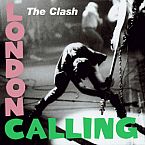
The Clash were heavily influenced by Jamaican culture and reggae music, which is especially apparent on
London Calling. (Thanks to Dave Wakeling of The English Beat for the lesson on the Jamaican influence on English music. Read more in his
Songfacts interview.)
Rudy Giuliani used this during his run for the Republican nomination in 2008. Apparently, he didn't know what the song was about, although it wouldn't have mattered since he dropped out early after getting very little support.
The song was also revived in the mid-1990s by fans of the UK football club Newcastle United as a chant of support for their then-manager Ruud Gullitt - the irony being that Rudie in this case did fail, being sacked after just one season as manager!
The lyrics to "Rudie Can't Fail" are a celebration of rude boy culture brought out of, according to singer Joe Strummer, "a summer going to West Indian blues dances and drinking Special Brew for breakfast," which explains the lyric "drinkin' brew for breakfast."
Dave Mingay, one of the co-creators of the Rude Boy film about The Clash, suggested that the lyrics might be about the main star of that film, Ray Gange. The title is a reference to Desmond Dekker's reggae classic "007 (Shanty Town)" and a lyric line also nods to Dr Alimantado's "Born for a Purpose" ("Like the doctor who was born for a purpose") as well as a parochial reference to the bus Joe Strummer would take to the studio whilst recording the London Calling album ("On the route of the 19 bus!").
This was one of many songs on London Calling which evolved out of pure jamming in the studio. The Clash created a good studio vibe - very relaxed and casual - and that contributed to the more uplifting feel on tracks like this one. Roadie Barry Glare explains: "When we went into Vanilla (studios) it was a matter of knocking songs up from scratch. They'd come in early, jam for a few hours, go over the road and play football, then come back and jam again."
Musically, this is a Ska song with a mix of a few other elements, with guitarist Mick Jones' choppy rhythm guitar taken from the work of Bo Diddley (whom the band had toured the US with in the year before making the album) counterpointing the heavy Ska bassline and the rim-shot drumbeat. Jones sings the main vocals, with Strummer adding in staccato lines and harmonizing, as well as shouting excitedly at the start of the song: "Sing Michael, sing!"
The scat lines in the bridge before the final chorus ("You think you're pretty hard in your pork pie hat") sound random, but could be interpreted as a sly dig at bands like The Specials and Madness. In 1979 Two-Tone would become a popular new genre, with lots of UK bands playing punk-influenced ska and reggae and getting popular off of it - indeed, Specials songwriter Jerry Dammers wrote the hit song "Gangsters" on a guitar loaned to him by Joe Strummer.
It could be that The Clash were getting angry at how bands were prospering from this musical hybrid when they pioneered reggae and ska music in the UK first, this lyric being their bitter retort. This seems unlikely, as The Clash and The Specials were good friends, having toured together in 1978. Clash manager Bernie Rhodes had tried to rip off The Specials by only paying them a meager amount per show on the tour and The Clash were furious and insisted that their fee be doubled, so it would be doubtful that they would take such a swipe at a band they considered equals.
Oddly, this was never a live staple for the band, despite the fact that it was obviously a hugely popular song amongst fans. Perhaps it was the same problem that befell "
The Right Profile" and "
Revolution Rock": without the Irish Horn sections the song didn't work as well.
Either way, "Rudie Can't Fail" only featured a handful of times in their live shows throughout 1979 and 1980. When Joe Strummer was compiling the soundtrack to the film
Grosse Pointe Blank, he used the song along with The Clash's version of "Armagideon Time" on the set. He also affirmed his faith in the track when he would play the song regularly with his solo band the Mescaleros.
The US ska-punk band The Mighty Mighty Bosstones recorded the most popular cover version of this song. Included on the Burning London tribute compilation, many fans consider it one of the best covers of any Clash song.