
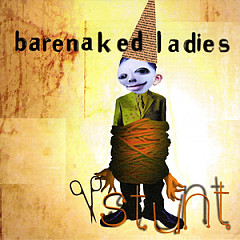
"One Week" by Barenaked Ladies was a #1 hit in America - for exactly one week in 1998.
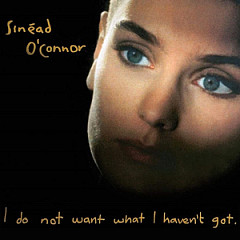
Two tears roll down Sinead O'Connor's face toward the end of the video for "Nothing Compares 2 U." They were shed because she associated the song's lyrics of love and loss with her mother, who was killed in a car accident in 1985.
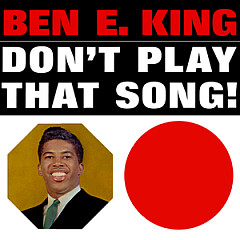
"Stand By Me" was a hit for Ben E. King when it was released in 1961, and again in 1986 after it was used in the movie of the same name.

"Mother" by Danzig is about censorship, specifically the Parents Music Resource Center, which pushed record labels to put warning stickers on albums with explicit lyrics.
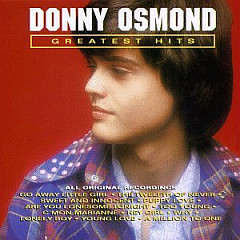
Originally a chart-topper for Steve Lawrence in 1962, "Go Away Little Girl" became the first song of the rock era to hit #1 for two different artists when Donny Osmond's cover version also reached the summit in 1971.
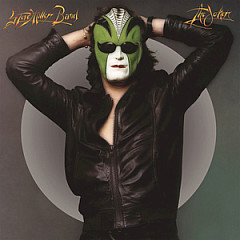
The "pompatus of love" from the Steve Miller song "The Joker" comes from a line in a '50s doo-wop song Miller misheard: "puppetutes of love."
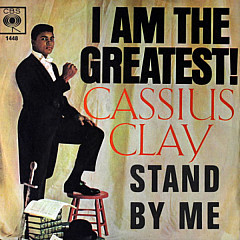
Before he was the champ, Ali released an album called I Am The Greatest!, but his musical influence is best heard in the songs he inspired.

Songwriting Hall of Famer Linda Perry talks about her songs "What's Up" and "Beautiful," her songwriting process, and her move into film music.

Guitarist Tony Iommi on the "Iron Man" riff, the definitive Black Sabbath song, and how Ozzy and Dio compared as songwriters.

The Jayhawks' song "Big Star" has special meaning to Gary, who explains how longevity and inspiration have trumped adulation.
Lots of life lessons in these Eagles lyrics - can you match them to the correct song?
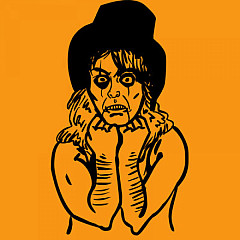
How well do you know this shock-rock harbinger who's been publicly executed hundreds of times?