"We Are Never Ever Getting Back Together" by Taylor Swift earned an entry in the 2014 edition of the Guinness Book of Records for the fastest-selling digital single. It reached the #1 spot on iTunes just 50 minutes after its release.
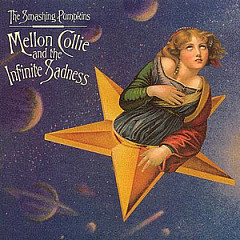
"1979" by Smashing Pumpkins is about Billy Corgan entering adulthood. A more accurate year would be 1983, but 1979 was easier to rhyme.
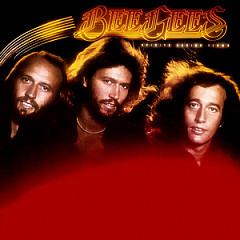
The thunderclap sound heard in the Bee Gees song "Tragedy" was made by Barry Gibb with his mouth - he could have been a really good beatboxer!
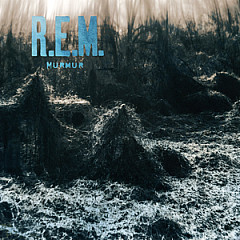
Michael Stipe hadn't finished the lyrics when R.E.M. recorded "Radio Free Europe." He calls the vocal "complete babbling."

It wasn't one of her biggest hits, but "La Isla Bonita" (from 1986) emerged as one of Madonna's top songs in the age of streaming thanks to widespread usage on TikTok. Creators who visit an island or just want that mood often use it as a soundtrack.

Kristian talks songwriting technique, like how the chorus should redefine the story, and how to write a song backwards.
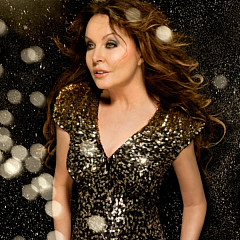
One of the most popular classical vocalists in the land is lining up a trip to space, which is the inspiration for many of her songs.

Brenda talks about the inspiration that drove her to write hit songs like "Get Here" and "Piano in the Dark," and why a lack of formal music training can be a songwriter's best asset.

The "A Thousand Miles" singer on what she thinks of her song being used in White Chicks and how she captured a song from a dream.

Director Mark Pellington on Pearl Jam's "Jeremy," and music videos he made for U2, Jon Bon Jovi and Imagine Dragons.

The stories behind "Whole Of The Moon" and "Red Army Blues," and why rock music has "outlived its era of innovation."