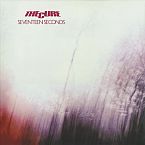
A Forest

Album: Seventeen Seconds (1980)
Charted: 31
Play Video

Songfacts®:

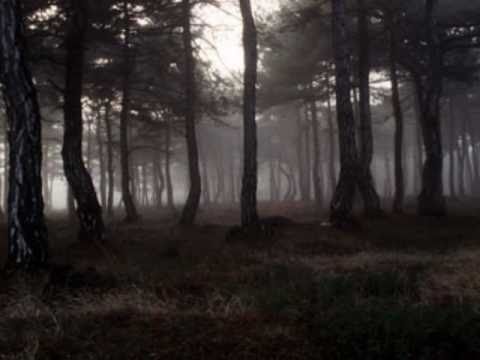
  • "A Forest," from The Cure's Seventeen Seconds album, tells a vague story of pursuit of a girl in a forest, which ends in loss. Many fans and critics regard this song in particular as a good example of The Cure's unique sound. Frontman Robert Smith described it as "a childhood dream (nightmare) that came true with adolescence."

    He also told Rockstar in 1984 that it was inspired by his experience of getting lost in the forest as a boy. "I try to capture that feeling of extreme fear I was being taken by and how - maybe in other ways - this type of unpleasant feeling can still be felt by anyone," he explained.
  • This song represents several firsts for The Cure. It was their first Top 40 hit on the UK singles chart, which garnered them their first appearance on the BBC's Top Of The Pops program. The album is also the only one to feature Matthieu Hartley on the keyboards exclusively. And finally, it was the first Cure single to be released on the 12-inch single record format - the alternative 7-inch record single omits the initial guitar-and-keyboard introduction, skips a few bars between the verses, and it goes to a fade-out sooner in the guitar solo ending. All this makes it two minutes shorter on the smaller single.
  • This song is behind a famous incident. At the 1981 Werchter Festival in Belgium, The Cure were on before Robert Palmer and were just finishing their set. Robert Palmer, apparently getting a little pushy, tried to have his road crew hurry The Cure off the stage. Robert Smith responded by sassily informing the crowd that they couldn't play anymore, then played an extra-long 9-minute version of "A Forest." Bass player Simon Gallup put a stamp on the performance by shouting "F--k Robert Palmer" to a cheering crowd!
  • Originally titled "Into The Trees," early versions were a much faster tempo.
  • Simon Gallup told Bass Player his playing on the tune was inspired by The Stranglers' bassist, JJ Burnel.
  • Producer Chris Parry, who signed the band to his Fiction Records label and also produced their debut album, thought the song should be remixed for radio play, but Robert Smith refused. Smith was given a lot more creative control over the band's sophomore album than he had on their debut, so he got his way.
  • The stark music video, directed by David Hillier, combines performance footage with images of a forest. Hillier went on to direct the clip for Murray Head's 1985 hit "One Night In Bangkok."
  • This became the first Cure song to be featured on a TV show when it was used on the music talk show Something Else in 1979.
  • This was also used in these TV series:

    13 Reasons Why ("Nobody's Clean" - 2019)
    Westworld ("Dissonance Theory" - 2016)
    Cold Case ("Offender" - 2007)

    And in these movies:

    The Nest (2020)
    Ventoux (2015)
    205: Room Of Fear (2011)
    The History Boys (2006)
    Play It Loud! (1981)
  • Smith wrote the majority of the album's lyrics in one night after a show with Siouxsie and the Banshees at a Newcastle hotel in 1979. After finding himself on the losing end of a brawl with a trio of businessmen in the hotel elevator, Smith was rescued by his bandmates. Despite being banged up, his emotional wounds were worse than his physical ones, and he poured his feelings out into the songs that formed Seventeen Seconds.

    After returning home from the Banshees tour, Smith composed most of the music for the album in his parents' basement in Crawley using a Fender Jazzmaster guitar and his sister's Hammond organ (which had a built-in drum machine).

Comments: 2

  • Rich from DetroitOnly one true Robert that night. Smith and Gallup should of played all night!
  • Patricia from New York, NyActually, Simon Gallup, bass, was the one who shouted "F--k Robert Palmer, F--k Rock and Roll." And according to an account in the Cure's bio "10 Imaginary Years" the roadies for Robert Palmer responded by throwing the Cure's amps off the stage.
see more comments

Editor's Picks

Tommy James

Tommy JamesSongwriter Interviews

"Mony Mony," "Crimson and Clover," "Draggin' The Line"... the hits kept coming for Tommy James, and in a plot line fit for a movie, his record company was controlled by the mafia.

Steely Dan

Steely DanFact or Fiction

Did they really trade their guitarist to The Doobie Brothers? Are they named after something naughty? And what's up with the band name?

David Gray

David GraySongwriter Interviews

David Gray explains the significance of the word "Babylon," and talks about how songs are a form of active imagination, with lyrics that reveal what's inside us.

JJ Burnel of The Stranglers

JJ Burnel of The StranglersSongwriter Interviews

JJ talks about The Stranglers' signature sound - keyboard and bass - which isn't your typical strain of punk rock.

Tim McIlrath of Rise Against

Tim McIlrath of Rise AgainstSongwriter Interviews

Rise Against frontman Tim McIlrath explains the meanings behind some of their biggest songs and names the sci-fi books that have influenced him.

George Clinton

George ClintonSongwriter Interviews

When you free your mind, your ass may follow, but you have to make sure someone else doesn't program it while it's wide open.