Ranking Full Stop

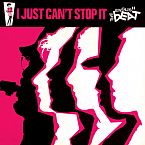
Album: I Just Can't Stop It (1979)
Charted: 6
Play Video

Songfacts®:

  • "Ranking" is a popular Jamaican saying. The English Beat were a force in the Ska movement and drew musical inspiration from Jamaican culture. Their toaster (a vocalist who spoke over the beats), was "Ranking" Roger. Dave Wakeling, who was a guitarist and vocalist with The English Beat and later formed General Public with Roger, explains: "'Ranking' is just like in top ranking, or high ranking, you know. It would be the sort of boast or name that an MC, a Master of Ceremonies will toast at a concert he'll give himself. The guy that works with the DJ and talks over the radio and talks over the songs and introduces the band. So that would be where 'Ranking' Roger came from."
  • This was released as the B-side of the first English Beat single, "Tears Of A Clown."
  • "Ranking" is one of many Jamaican expressions that became popular in England. Wakeling told us why: "There were hardly any black people in England until the mid-'50s, which I think a lot of American people don't know. My mama tells me she remembers seeing her first black person ever sometime in the 1940s during the War. They were all very excited and followed him down the street, poor buggar. But it wasn't really until after the end of the second World War when the British infrastructure had been devastated with the German bombings, that they invited people from the British colonies and protectorates and commonwealth - British Commonwealth country, they call them - to come and help rebuild the motherland. And the idea was that people would come out for three years, make a load of money, go home, and build themselves a big house in Jamaica. But like anything else, when you travel across the world on some sort of spurious idea like that, people ended up setting roots, people ended up having kids, going to school, you never quite saved enough money to go back and build that big house in Jamaica. But although some people now have some roots that they've re-established in Jamaica, the vast majority of the population ended up staying in England. So that first set of kids of Jam-English people were born in the late '50s, and so about the time I was born, mid- or to late-'50s, you had a whole generation of first generation English born of Jamaican parents who had only been in England for a few years. And the Mods and the Rude Boys on the Jamaican side have seen styles of sharp suits and ties and hats and a slightly dandy-ish approach to stuff. Dressing up is a big thing. And looking smarter and richer than you actually were, you know. It's like a working class way of putting on a brave front dressing sharp. So there was quite a lot of cross pollination between Mods and Rude Boys there towards the middle to late '60s. And that was where I heard my first ska music, the Trojan Tightened Up volumes 1 through 4 that become very popular amongst the Mods, who turned into Suedeheads, the Suedeheads turned into Skinheads. And that early ska/reggae was the favorite music of the skinheads on the soccer terraces. And that was where I heard my first reggae was at the soccer games." (Read the full Dave Wakeling interview.)

Comments

Be the first to comment...

Editor's Picks

Dwight Twilley

Dwight TwilleySongwriter Interviews

Since his debut single "I'm On Fire" in 1975, Dwight has been providing Spinal-Tap moments and misadventure.

Lita Ford

Lita FordSongwriter Interviews

Lita talks about how they wrote songs in The Runaways, and how she feels about her biggest hit being written by somebody else.

Best Band Logos

Best Band LogosSong Writing

Queen, Phish and The Stones are among our picks for the best band logos. Here are their histories and a design analysis from an expert.

Jimmy Jam

Jimmy JamSongwriter Interviews

The powerhouse producer behind Janet Jackson's hits talks about his Boyz II Men ballads and regrouping The Time.

Charlie Benante of Anthrax

Charlie Benante of AnthraxSongwriter Interviews

The drummer for Anthrax is also a key songwriter. He explains how the group puts their songs together and tells the stories behind some of their classics.

Adam Young of Owl City

Adam Young of Owl CitySongwriter Interviews

Is Owl City on a quest for another hit like "Fireflies?" Adam answers that question and explains the influences behind many others.