The Carnival Is Over

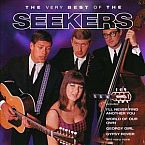
Album: The Very Best of the Seekers (1965)
Charted: 1
Play Video

Songfacts®:

  • Tom Springfield (Dusty's brother), who wasn't a member of the group but wrote a lot of their songs, wrote "The Carnival Is Over" for the Seekers. He based the melody on the Russian folk song Stenka Razin (or Stenka Rasin). Stenka Razin was a Cossack rebel leader who led a major Cossack and peasant rebellion on Russia's southeastern frontier in 1670-71. He has been celebrated in a number of songs. Pete Seeger in 1953 sang an English-language version of Stenka Razin, which may have been the version known by Tom Springfield.
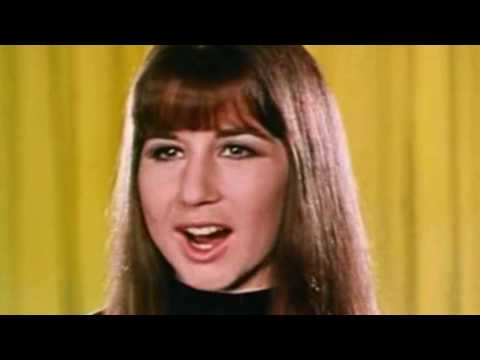
  • Judith Durham of The Seekers shared her thoughts on "The Carnival Is Over": "That was a great song that still lives today. It is a perennial favorite and it is sung at weddings. We were very, very blessed to have met Tom Springfield as he never compromised the integrity of the group and he never got us to do things that we didn't want to do." (quote from 1000 UK #1 Hits by Jon Kutner and Spencer Leigh)
  • The Seekers were an Australian group that had a run of international hits in the '60s, including "I'll Never Find Another You" and "Georgy Girl." "The Carnival Is Over" didn't chart in America but was a #1 hit in Australia and in the UK, where it was their best-selling single, selling over 1,400,000 copies.
  • Nick Cave & the Bad Seeds covered this on their 1986 album Kicking Against The Pricks.
  • Regarding he couplet:

    But the joys of love are fleeting
    For Pierrot and Columbine


    Pierrot and Columbine were the names of two stock characters in the old Italian pantomime-like theatre known as del'arte Pierrot was a sad clown in love with the beautiful Columbine who breaks his heart by leaving him for Harlequin.
  • It was an Australian tradition for The Seekers to sing "The Carnival is Over" at the close of sporting events. Unfortunately they were unable to do so at the end of the closing ceremony for the 2000 Sydney Olympic Games, as Judith Durham had broken her hip and was not able to take part.

Comments: 5

  • Reg Baker from BexleyWho were Pierot and Columbine ?
  • Mike_white from Shropshire UkPete Seeger had no copyright: he was singing a translated version of a folk song !

    Tom Springfield (brother of Dusty) wrote the new words to an old tune, which he rearranged to suit the new words and format.
  • Baz from Manchester UkOne of the greatest songs of all time ... a Seekers anthem.
  • Peter Brady from AustralianBecause it is sung by secret russians
  • Jim from River Edge, NjI love this song, and I never understood why it never got any airplay in the U.S., considering that it came on the heels of their big hits "I'll Never Find Another You" and "World of Our Own," and was such a huge hit in the U.K. Did Pete Seeger sue for copyright infringement and block its release?
see more comments

Editor's Picks

Songs in Famous Movie Scenes: Tarantino Edition

Songs in Famous Movie Scenes: Tarantino EditionMusic Quiz

Whether he's splitting ears or burning Nazis, Quentin Tarantino uses memorable music in his films. See if you can match the song to the scene.

Martin Page

Martin PageSongwriter Interviews

With Bernie Taupin, Martin co-wrote the #1 hits "We Built This City" and "These Dreams." After writing the Pretty Woman song for Go West, he had his own hit with "In the House of Stone and Light."

Is That Song Public Domain?

Is That Song Public Domain?Fact or Fiction

Are classic songs like "Over The Rainbow" and "Take Me Out to the Ballgame" in the public domain?

Desmond Child

Desmond ChildSongwriter Interviews

One of the most successful songwriters in the business, Desmond co-wrote "Livin' La Vida Loca," "Dude (Looks Like A Lady)" and "Livin' On A Prayer."

Wang Chung Pick The Top Songs Of The '80s

Wang Chung Pick The Top Songs Of The '80sSongwriter Interviews

'80s music ambassadors Wang Chung pick their top tracks of the decade, explaining what makes each one so special.

Harold Brown of War

Harold Brown of WarSongwriter Interviews

A founding member of the band War, Harold gives a first-person account of one of the most important periods in music history.